Your First Istanbul Trip: What to Sort Out Before You Go
Before setting out, plan for Sultanahmet’s clustered sights, choose Balat or the seafood taverns of Kumkapı and Samatya, and prepare for crowded transit, cautious street crossings and hard-to-find taxis in bad traffic or after midnight.
Plan in Sixty Seconds
Your first airport connection may begin with a phone number. Istanbul Airport’s standard free Wi-Fi lasts one hour and requires registration by mobile number; if you have no mobile phone, get an access code at a kiosk using your passport number. Keep that option in mind before you land.
- Arriving by coach at Otogar? Take the M1 to Aksaray and change to the T1 tram for the city centre.
- During roughly 07:00–09:00 and 17:00–19:30, every other T1 tram may run only between Eminönü or Sultanahmet and Cevizlibağ. Check the destination before boarding.
- The coastal U3/T6 runs from Sirkeci through Cankurtaran, Kumkapı and Yenikapı to Kazlıçeşme.
- Havaİst buses serve both İstanbul Airport and Sabiha Gökçen Airport, with set, published fares.
- Samatya lies farther west than Kumkapı; order those neighborhood stops east to west.
How Much Time You Need
A prayer-time interruption can take a bite out of a tightly scheduled visit to Chora Church. Its 14th-century mosaics are there to see, but build flexibility into the stop rather than counting on an uninterrupted visit. For your daily movement, the metro’s listed flat fare is 46.20 TL with Istanbulkart; student and teacher or senior fares are listed separately, and prices can change, so check the current amounts. İstanbulkart offers lower fares than regular single tickets, but tourists should not assume personalized-card transfer discounts or Marmaray refunds. A taxi from Istanbul Airport to Sultanahmet–Sirkeci is listed at about 53 minutes, with the guideline fare excluding tolls; confirm the current total before relying on it. Winter days average about 8°C, with nights near 2°C, and snow can occur. Pack warm clothes and prepare for wet, cold conditions.
Where to Stay
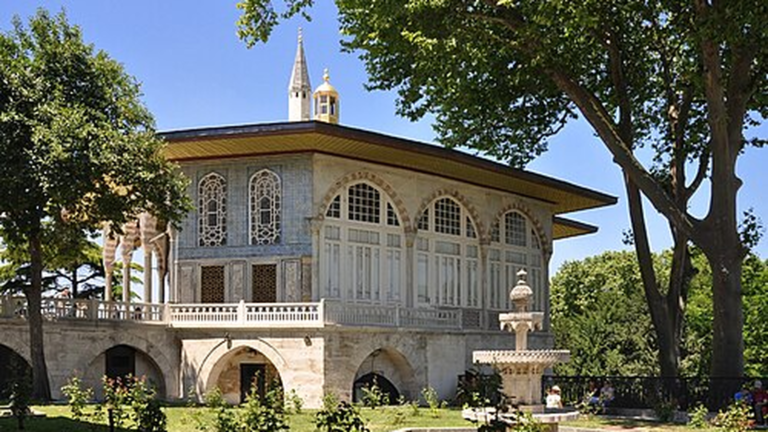
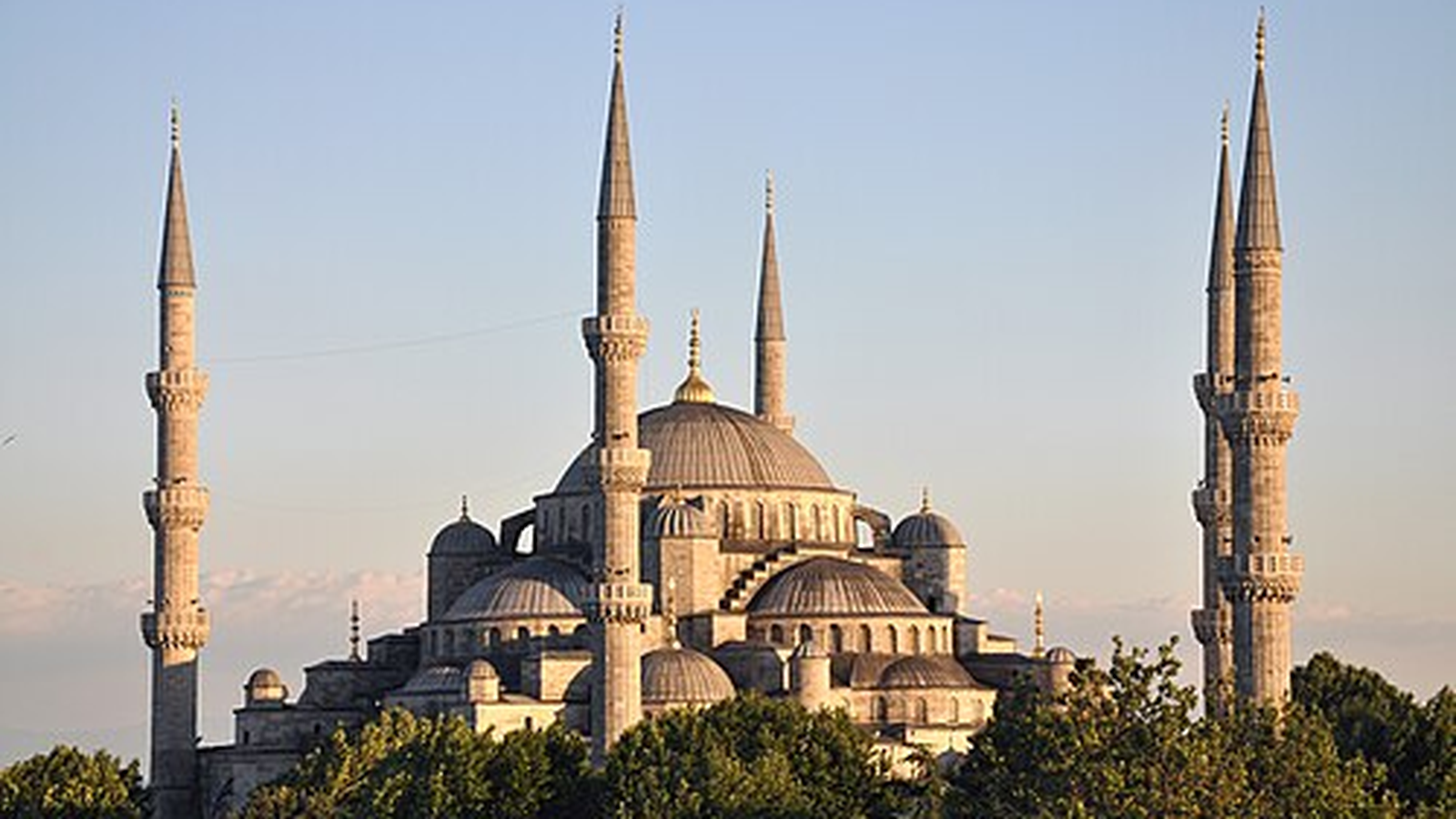
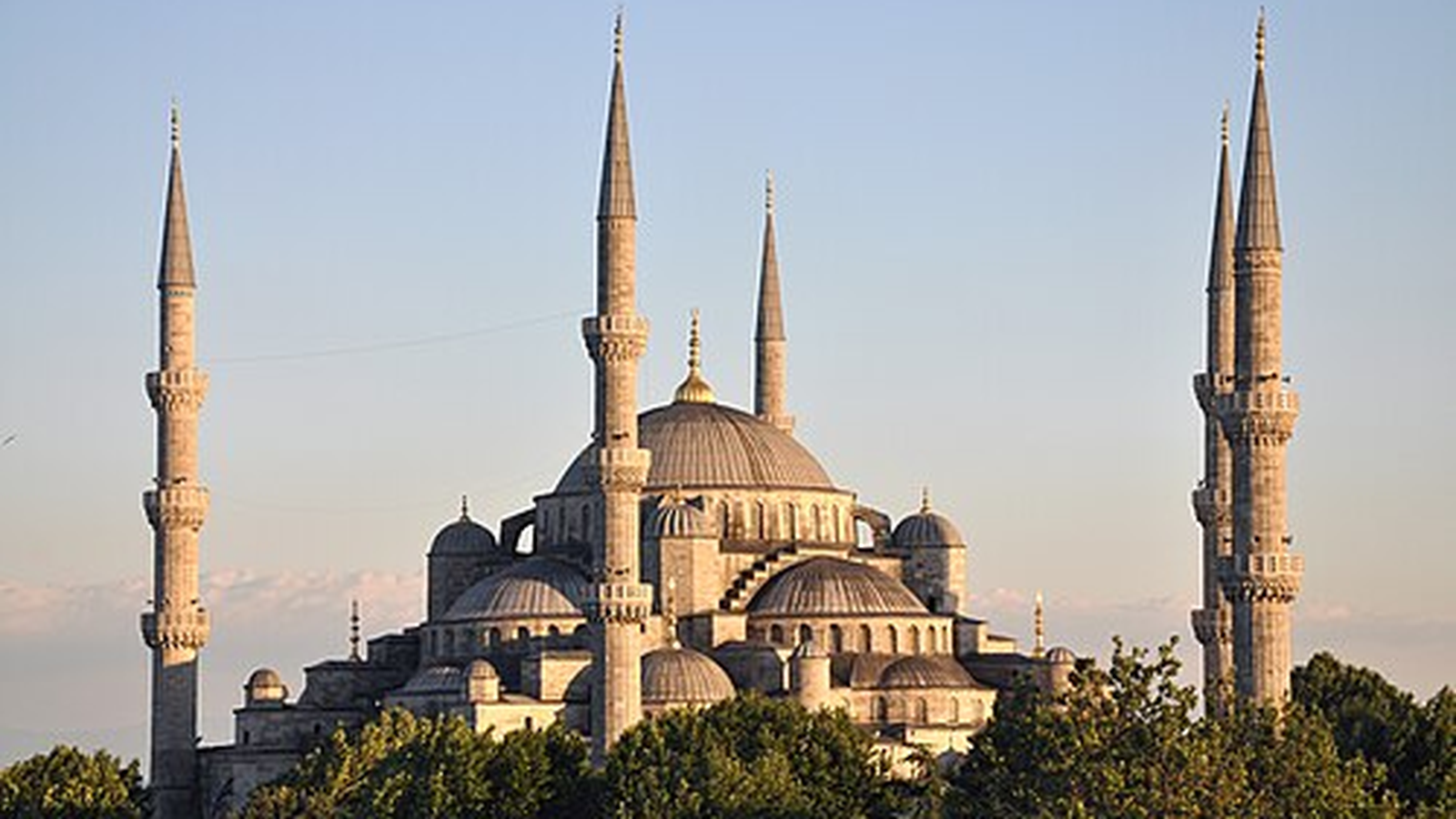
Topkapı Palace, Hagia Sophia, the Blue Mosque and several museums cluster around Sultanahmet. Start your hotel search here if those major historical sights top your list: you can arrange several days around the peninsula’s main visitor concentration. The catch is simple arithmetic, not mystery—there are enough nearby attractions to fill more than a brief stop. Sultanahmet gives a first visit a clear sightseeing center, with a lot to see before you have even left the area. For a different street-level focus, Balat has colorful houses and stairs, the sort of neighborhood detail that makes a walk the activity. Kumkapı, south of Beyazıt, is an old fishermen’s quarter with traditional taverns that mostly serve seafood. Farther west, Samatya has seafood-focused taverns too, alongside more meat choices for a group whose dinner order will not land in one column. Keep late arrivals in mind when deciding how much to rely on taxis: they can be harder to find after midnight, during peak traffic, and in rain or snow. Sultanahmet puts the major sights close together; Balat, Kumkapı and Samatya bring neighborhood streets or taverns to the foreground.
Getting There
At Sabiha Gökçen Airport, the metro station is called Sabiha Gökçen Havalimanı, and the M4 serves it. From there, Istanbul’s connections unfold by line: the M2 runs from Yenikapı through Şişhane, Taksim Square, Mecidiyeköy and Levent to Hacıosman. The T1 links Kabataş and Bağcılar, serving popular Old City sites along the way.
- Take the M4 from Sabiha Gökçen Havalimanı station when using the airport’s metro connection.
- Get a ticket or Istanbulkart before boarding a bus; bus tickets are not sold on board.
- For Golden Horn neighborhoods, T5 connects Eminönü with Phanar (Fener), Balat and Ayvansaray. Its Eminönü station is separate from the T1 station.
Getting Around
The Bosporus breaks the metro map in two. European- and Asian-side metro networks do not connect directly across the water; Marmaray links the sides and connects with the metro at several locations. For cross-water trips, plan a transfer rather than searching for a single metro line. Or make the crossing part of the ride: ferries from Eminönü run to Kadıköy, Üsküdar, the upper Bosphorus, the Golden Horn and the Princes’ Islands. Coming from Istanbul Airport (IST), the M11 metro runs toward the city. From Kadıköy, the E10 bus connects with Sabiha Gökçen Airport. Havabüs is listed between Sabiha Gökçen and Taksim, Yenisahra and Kadıköy, with journey times of 60–90, about 50 and about 60 minutes respectively; listed departures run every 30 minutes from 04:00 to 01:00. Check the current timetable before relying on those shuttle hours. Istanbul’s transfer plan can include a ferry, a rail connection and, occasionally, a timetable check before sunrise.
What to Book Ahead
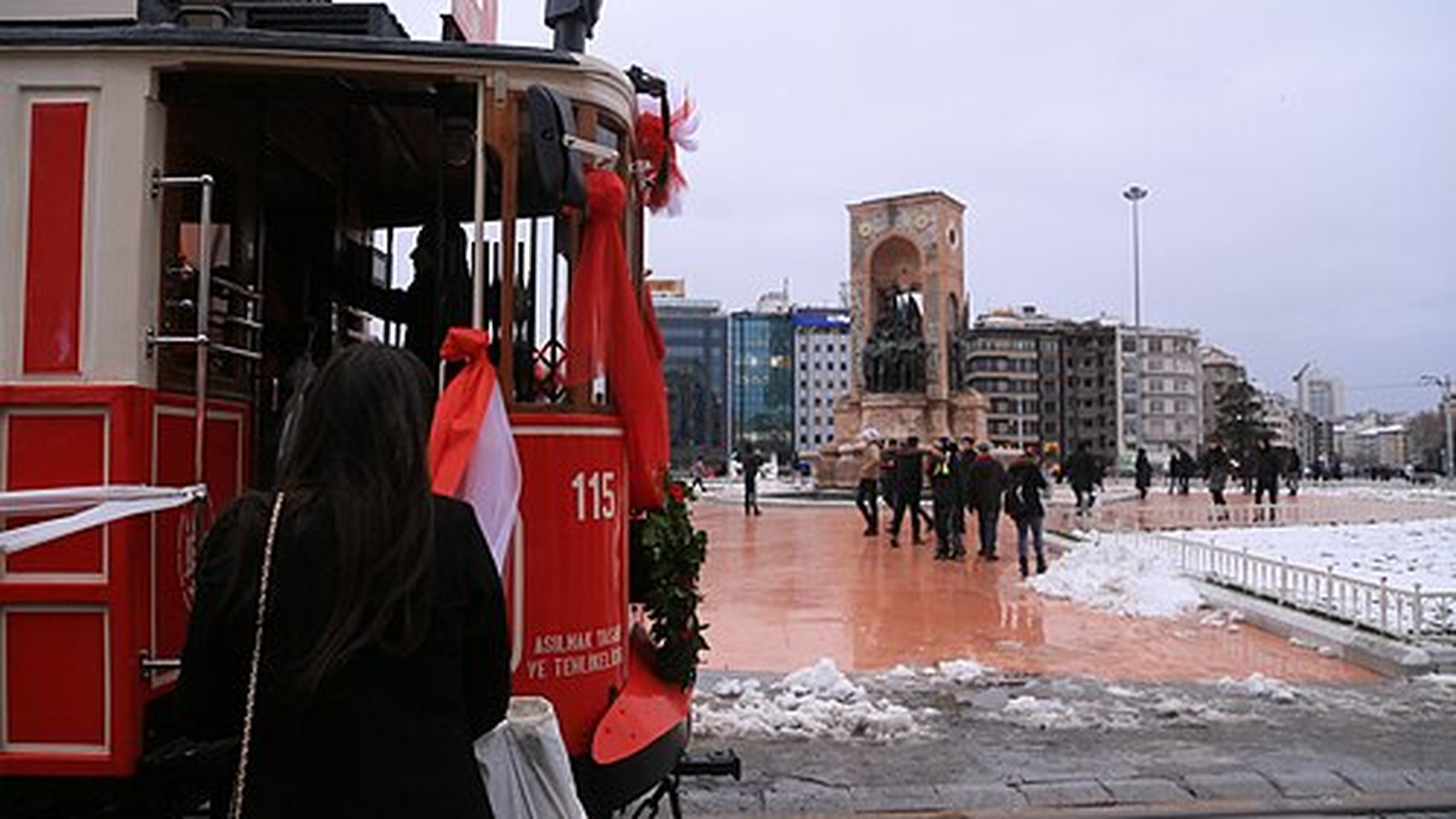
A booking confirmation will not solve every Istanbul queue. For public transport, sort out how you will pay before reaching a ticket kiosk: kiosks accept Turkish lira cash, not credit cards or foreign currency, and bus, tram and metro fares differ. Carry lira if you plan to buy tickets there. With single-use tickets, every new metro or tram line means a new fare; transfers generally require leaving and re-entering the system.
- Taking a taxi? Treat listed journey times and guideline fares as estimates. City fares are metered, and highway and bridge tolls are extra; insist on the meter.
- Bringing or renting a car? Plan where it will go before you arrive. Parking is scarce in Istanbul, and existing lots are described as quite expensive.
The Right Season, the Right Hour
April brings Istanbul’s tulip season into view. Depending on the cultivar, blooms run from late March to early May, and April is suggested for the best views. If tulips are part of your plan, put April at the center of your travel dates; different cultivars bloom on different schedules. Summer calls for a different packing list. Average daytime temperatures are around 26°C, with nights around 17°C, and the air can feel muggy. Pack for warm conditions and account for humidity when planning your days, rather than treating the daytime average as the whole story. Evenings are cooler than afternoons, but they remain warm by those averages.
What It Costs
A one-way ferry fare from Eminönü toward Sarıyer and Rumeli Kavağı is listed at 42 ₺ (≈$1.30). That is a small line in a trip budget, though the fare may have changed; check the current price before boarding. The Havaist iSt-1 ticket was listed at about 200 ₺ (≈$6), based on a fare dated October 2024, and its stated departures were 25–30 minutes apart; verify both before you plan around them. After midnight, a bus ride is charged at two tickets per person instead of one, so leave extra room in the late-night transport budget. If a Turkish Airlines layover runs longer than five hours, ask at a Turkish Airlines Care Point about a meal voucher and show your boarding pass.
What to Wear (and Why It Matters)
Summer calls for warm-weather clothes, with one adjustment: Istanbul’s air can feel muggy. Pack for warmth and humidity, and plan what you wear around the day rather than assuming the temperature tells the whole story. Daytime averages are around 26°C, while nights average around 17°C; the evening number is cooler, but the air can still feel humid. Keep a layer handy for the change from afternoon to night, and pick clothes you can wear comfortably in muggy conditions. The forecast may give you a number; your suitcase has to handle the air.
Accessibility and Mobility
The M11 has wheelchair-accessible stations, tactile paving, disabled toilets and trains with induction loops for hearing aids. Request wheelchair assistance from your airline at least 48 hours before the flight. Across the metro, almost all stations have lifts to platforms, and most have detectable surface indicators guiding visually impaired passengers from street level; check access at your specific station before planning a journey. Trams have low platforms and gentle street-level ramps for wheelchair boarding. Many central pavements and crossings have tactile paving, while many pedestrian lights give voice alerts in Turkish. Build your route around confirmed station access, and allow for Turkish-only audio alerts at crossings.
The Unwritten Rules
At Vefa Bozacısı, the drink is older than the menu’s current fashions: the café was established in 1876 and specializes in boza. Made from fermented bulgur-wheat, boza tastes slightly sweet and tart, a combination that may catch you off guard if you expect a familiar soft drink. Try a glass at Vefa Bozacısı and give that flavor a moment before deciding whether it’s for you. Near Beyazıt-Kapalıçarşı, Anadolu Nargile occupies the courtyard of the former Çorlulu Ali Paşa Medrese. If you want to see how a café stop can share space with an old medrese courtyard, add Anadolu Nargile to your walk.
Scams, Snags, and Staying Safe
A packed carriage is a place to keep your wallet and travel documents close. Pickpockets are active in crowded areas and on Istanbul’s public transportation, so secure valuables before you board and keep them secure while you travel. Crowds add no useful reason to leave a phone, wallet or passport in an easily reached pocket. Keep your belongings in sight as you move through busy places and ride public transport; the sensible routine is simple: secure valuables, then check that they stay with you.
First-Time Visitor Mistakes
The ferry reaches the pier, gives the dock a bounce, and someone is already standing. Stay seated until it has come to a complete stop; the exit can wait for the boat to finish moving. First-time mistakes in Istanbul often happen in the few seconds between assuming a routine is familiar and checking what is actually happening.
- At the airport, a driver approaches and offers the ride you need. Use an official taxi stand and avoid unofficial vehicles; taxi scams are also reported.
- A driver says they are your Uber. Before boarding, match both the driver’s name and the vehicle’s plate to the app.
- The crossing light turns green, or you reach a crosswalk. Check both directions before stepping into the road, even there.
- A bus or streetcar fills during rush hour, especially on Monday or Friday. Keep valuables secure in the crowd, where pickpockets may find an opening.
The Packing List That Matters
Pack a light, breathable layer first if you’re visiting in summer: Istanbul averages about 26°C by day and 17°C at night, and the air can feel muggy. Keep the rest of the bag focused; the forecast has already given you enough to work with.
- Choose warm-weather clothing for summer days and evenings.
- Add a layer you can wear after daytime temperatures ease toward the nighttime average.
- Make space for April tulip viewing; blooms run from late March to early May, depending on cultivar.
- Save your phone for airport Wi-Fi registration: the standard free session lasts one hour and requires a mobile number.
- If you have no mobile phone, get an airport Wi-Fi access code at a kiosk using your passport number.
- Keep your arrival plans simple if you’re considering a car: parking is scarce, and existing lots are described as expensive.
FAQ
Does the M11 take me from Istanbul Airport straight to Sultanahmet?
No. The ride to Gayrettepe takes about 30 minutes, where you can transfer to the M2; a 600 m moving walkway leads to the Metrobus connection at Zincirlikuyu. Allow time for another connection and any short walk to your destination.
Where do I find the M11 at Istanbul Airport, and will I need to walk?
The station is outside exit 11, in front of the parking lot. Your final destination may require a transfer and a short walk, so plan beyond the airport platform.
Can I use the T1 tram to change to a ferry or another rail line?
Yes. T1 connects with the F1 funicular and ferries at Kabataş, the F2 funicular and ferries at Karaköy, the T5 tram and ferries at Eminönü, and the M1 and M3 metros at Bağcılar. Pick the interchange that matches your onward route.
Will every T1 tram run the full route during rush hour?
During roughly 07:00–09:00 and 17:00–19:30, every other tram may run only between Eminönü or Sultanahmet and Cevizlibağ. Check the destination before boarding and allow for a change if your stop lies beyond that stretch.