Your First Look at Istanbul—and Where to Go From There
Start in Sultanahmet, where Hagia Sophia, the Blue Mosque, Topkapı Palace and several museums cluster, then seek a quieter stop at the atmospheric Theodosius Cistern.
A second runway opened at Istanbul Airport on 25 December 2023. The city’s arrivals have their own scale; the older stories begin on a hill above the Golden Horn. Sinan built the Süleymaniye Mosque in the 1550s, and it stood at the centre of a religious complex. From there, Istanbul’s layers do not stay behind museum glass. The Archaeology Museum gathers Sumerian tablets, fragments of Babylon’s wall, Roman statues and the Alexander Sarcophagus; historical material about Troy joins the collection. Set aside many hours if ancient history is your reason for going, and bring water and food. The café is described as expensive. Then move from objects to the city’s waterworks: the Theodosius Cistern, built around 430 to store water carried by the Valens Aqueduct, is smaller than the Basilica Cistern. Havaist accessibility assistance requires advance notice: request it at the airport counter on level -2 an hour before a city trip, or contact Havaist six hours ahead for travel to the airport. Up on the hill, Süleymaniye looks over the Golden Horn.
At a Glance
At Istanbul Airport, the free Wi-Fi session lasts one hour and requires registration by mobile number; without a phone, you can get an access code at a kiosk using your passport number. Taxi journey times and guideline fares are listed by district, but the fare is metered, and highway and bridge tolls are extra. From Sabiha Gökçen, Havabüs is listed to Taksim in 60–90 minutes, Yenisahra in about 50, and Kadıköy in about 60; buses run every 30 minutes from 04:00 to 01:00. For city transport, ticket kiosks take Turkish lira cash, not cards or foreign currency. T1 links with funiculars, ferries, trams and metro lines; transfers generally mean exiting and re-entering, and single-use tickets require a new fare for each line.
Why Visit
Sumerian tablets, pieces of Babylon’s wall, Roman statues, the Alexander Sarcophagus: the Archaeology Museum puts distant worlds in the same visit. Its collections also include historical material about Troy, so the ancient city’s past arrives through objects as well as the walls and monuments encountered outdoors. Give the museum many hours if archaeological collections are your reason for coming; bring water and food. Its café is described as expensive. Istanbul’s history does not stay behind museum doors. From Sirkeci, Ankara Caddesi gives you a direct walking route toward Eminönü, while the T1 tram follows a slower arc along the coast. The city can move from a museum full of tablets and sarcophagi to a street leading toward the waterfront. The itinerary has room for both: the Alexander Sarcophagus inside, Eminönü at the end of Ankara Caddesi outside.
Understanding the Destination
The U-shaped racetrack is still traceable beneath Sultanahmet Square. This was the Hippodrome, where the ancient city gathered around a course; a few monuments remain, while most of its old buildings have vanished. The shape survives more clearly than the structures that once stood around it. Nearby, the Basilica Cistern shifts the story underground: Justinian built it in 532 to store water, supported by 336 decorated columns. The Medusa heads already leave their own origin question open. Above ground, the Theodosian Walls draw another boundary across the peninsula, running from the Golden Horn to the Sea of Marmara. Most of the fortifications remain, though modern highways have cut gaps through them. The old city’s lines still meet in places you can walk. Most sights near Sultanahmet Square are within walking distance, but traffic restrictions and hills make for substantial walking between them. Beside Topkapı Palace, Gülhane Park occupies former outer royal gardens; it became a public park in 1912. Topkapı itself served as the Ottoman emperors’ imperial enclave for four centuries, with four courts and exhibitions. At Sirkeci, a railway museum occupies the former Europe-side terminus, where the Orient Express arrived and departed. The route from the square toward Sirkeci crosses from an ancient racetrack to the city’s former gateway for European rail travel.
Top Places and Experiences
Two Medusa heads sit beneath columns in the Basilica Cistern’s northwest corner. Historians disagree; their original source is unknown, and there is no evidence they were first used as column bases. The unanswered question comes with the view.
Hagia Sophia (Local name: Aya Sofya)
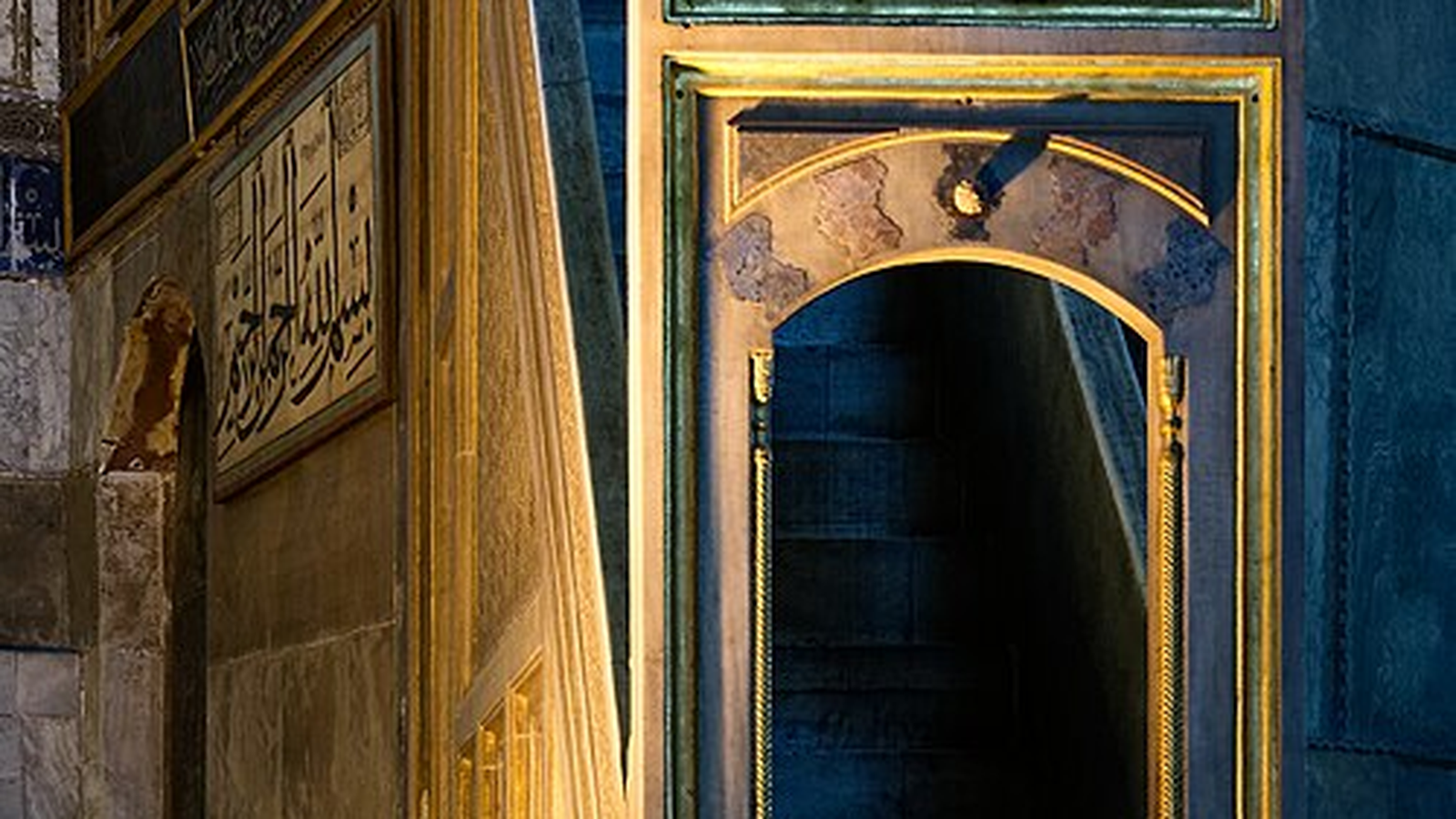
Completed in 537, Hagia Sophia became a mosque after the Ottoman conquest in 1453. Local legend says a column in its northwest is moist, and touching it is believed to cure illness. Historians disagree, but some claim the Hagia Sophia’s dome has four non-identical six-winged angel figures; it is uncertain whether they represent seraphim or cherubim.
The story: Hagia Sophia had been completed in 537. After the Ottoman conquest in 1453, it became a mosque, carrying the change of rule into the city’s most monumental architecture.
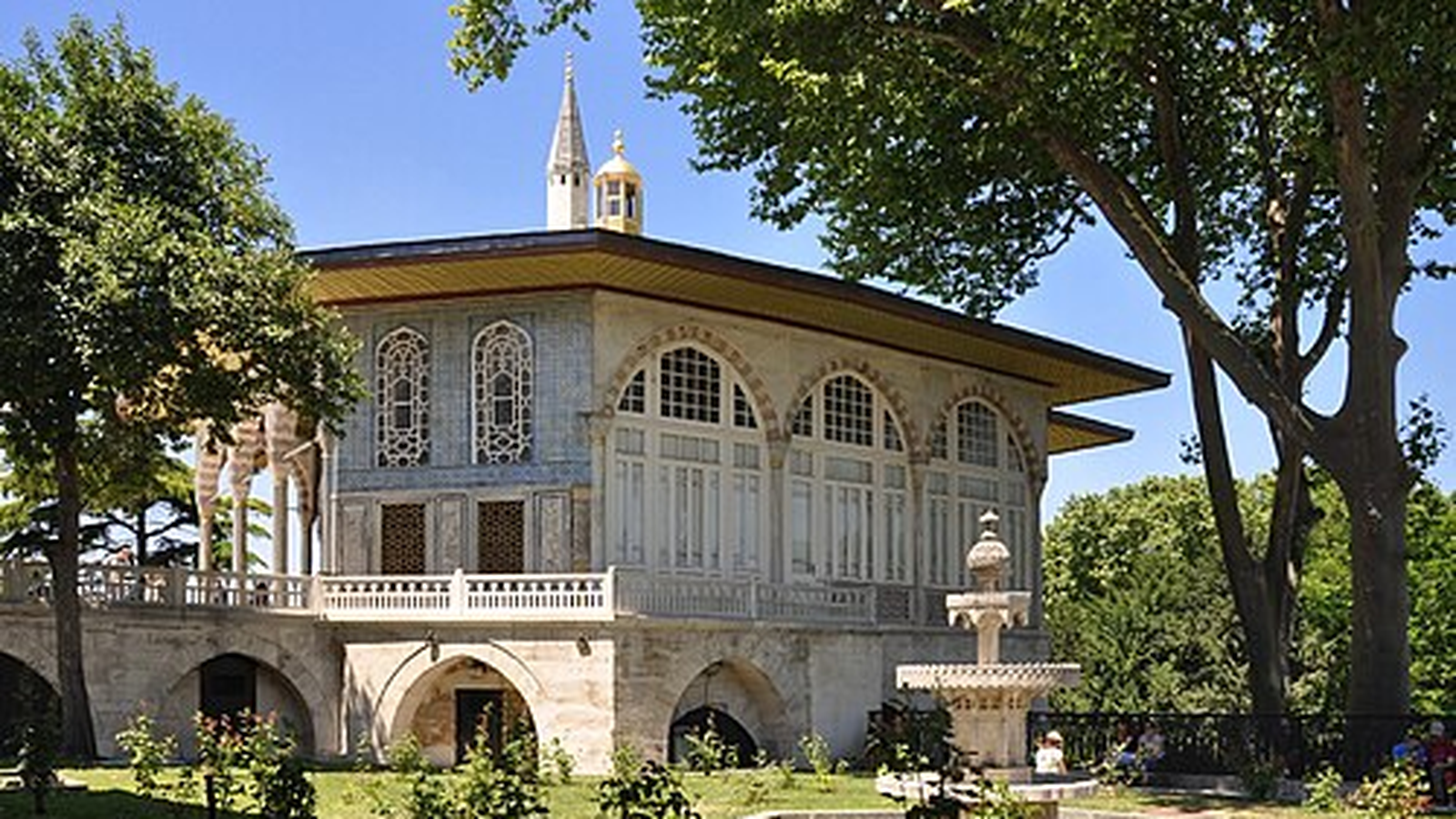
Topkapı Palace (Local name: Topkapı Sarayı)
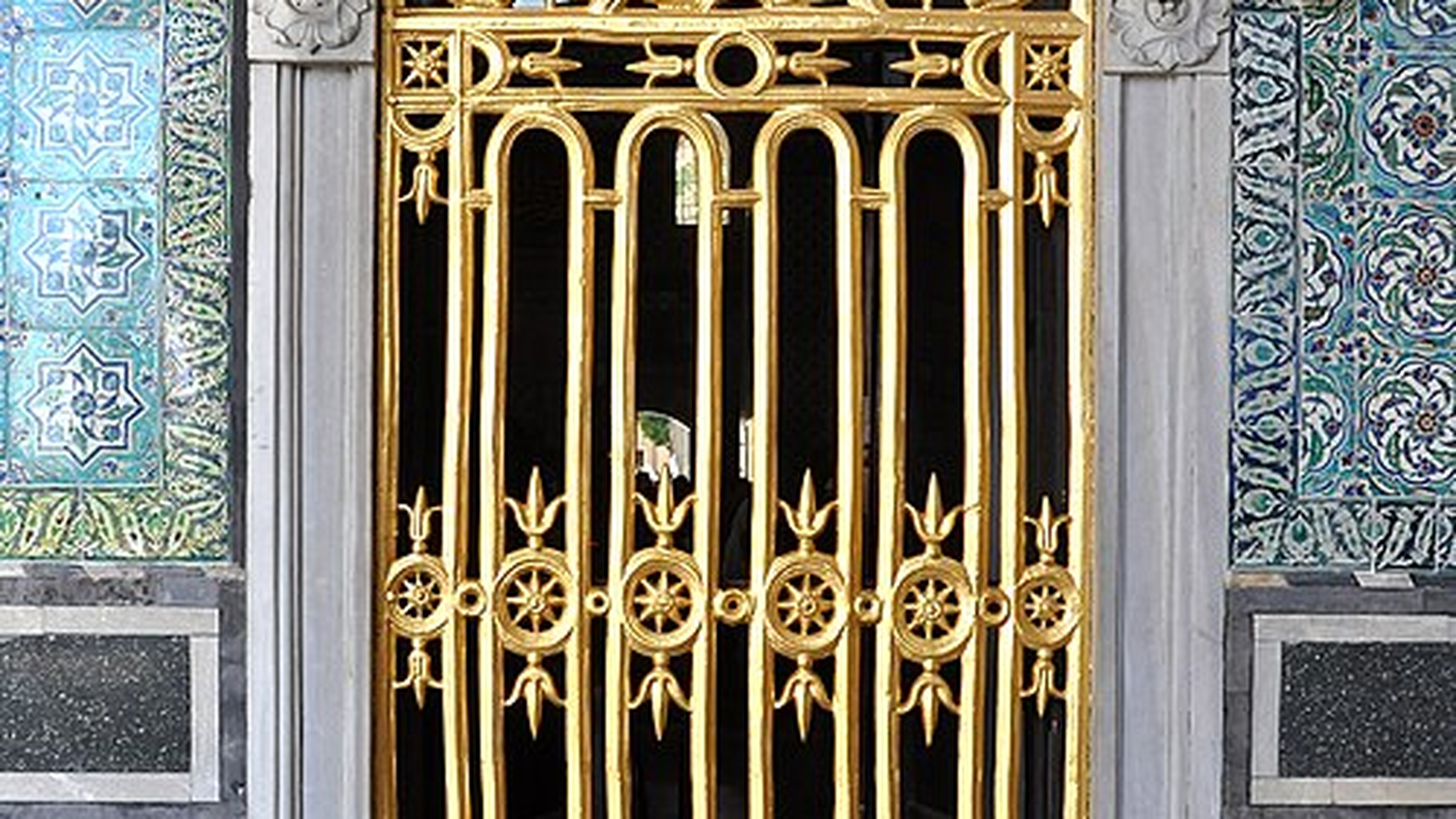
Four courts and exhibitions fill the Ottoman emperors’ imperial enclave, which served them for four centuries. Set aside several hours; a quick pass will not cover the palace. Gülhane Park occupies former outer royal gardens beside Topkapı Palace and became a public park in 1912. The peninsula's main visitor concentration is around Sultanahmet, where Topkapı Palace, Hagia Sophia, the Blue Mosque and several museums are clustered.
The story: Topkapı Palace served as the Ottoman emperors’ imperial enclave for four centuries and contains four courts, exhibitions, and views over the Bosphorus.
Status: Add Topkapı Palace when your day falls Wednesday to Monday: it opens 09:00–17:00. Skip it on Tuesday, when the palace is closed.
Short on time?: Topkapı Palace: Add it if your day falls Wednesday through Monday; the listed hours are 09:00–17:00. Skip it on Tuesday, when the listing shows it closed.
Getting in: With extra time, add a ferry crossing or extend the Old City route to Topkapı Palace.
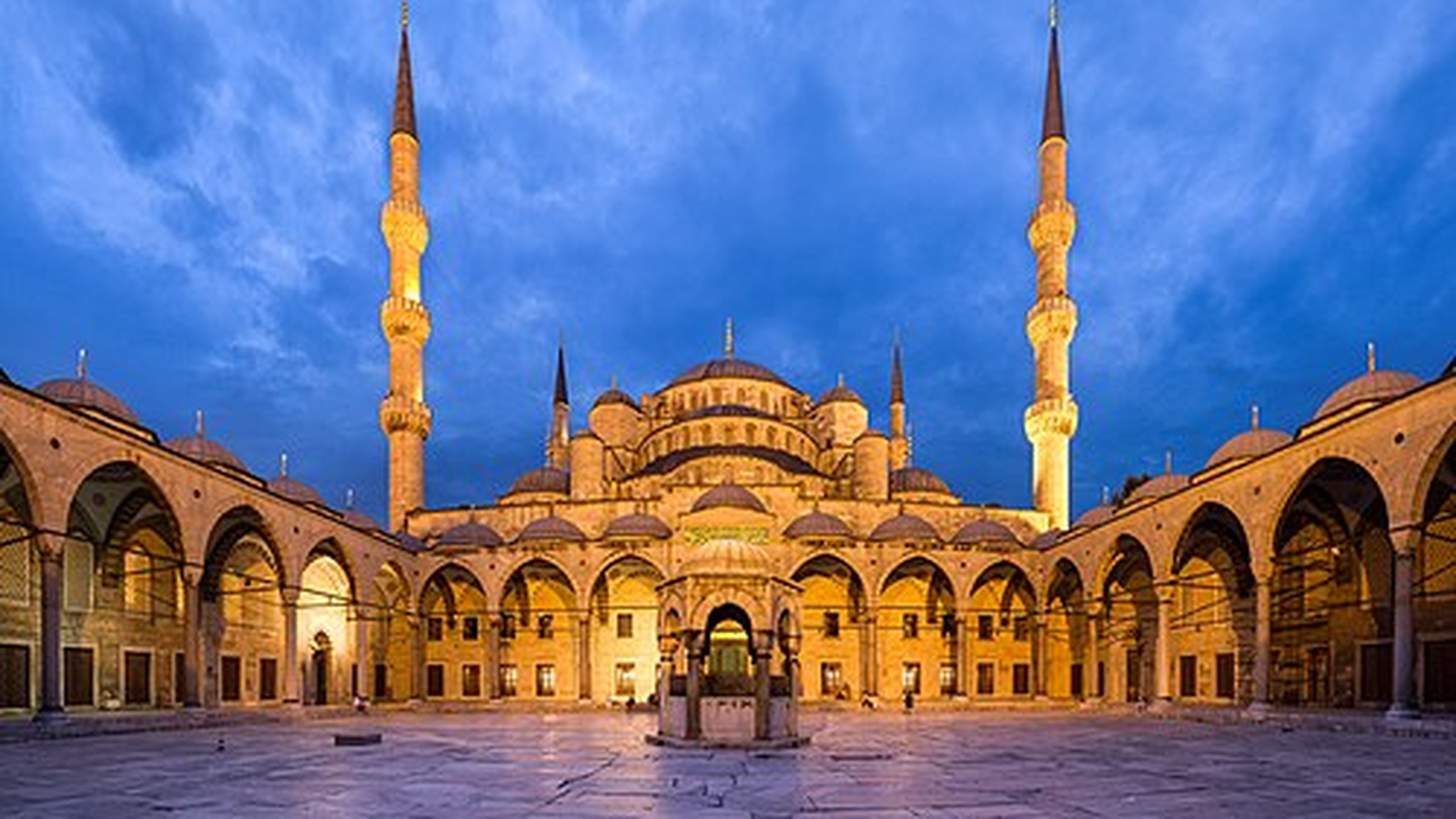
Blue Mosque (Local name: Sultanahmet Mosque)
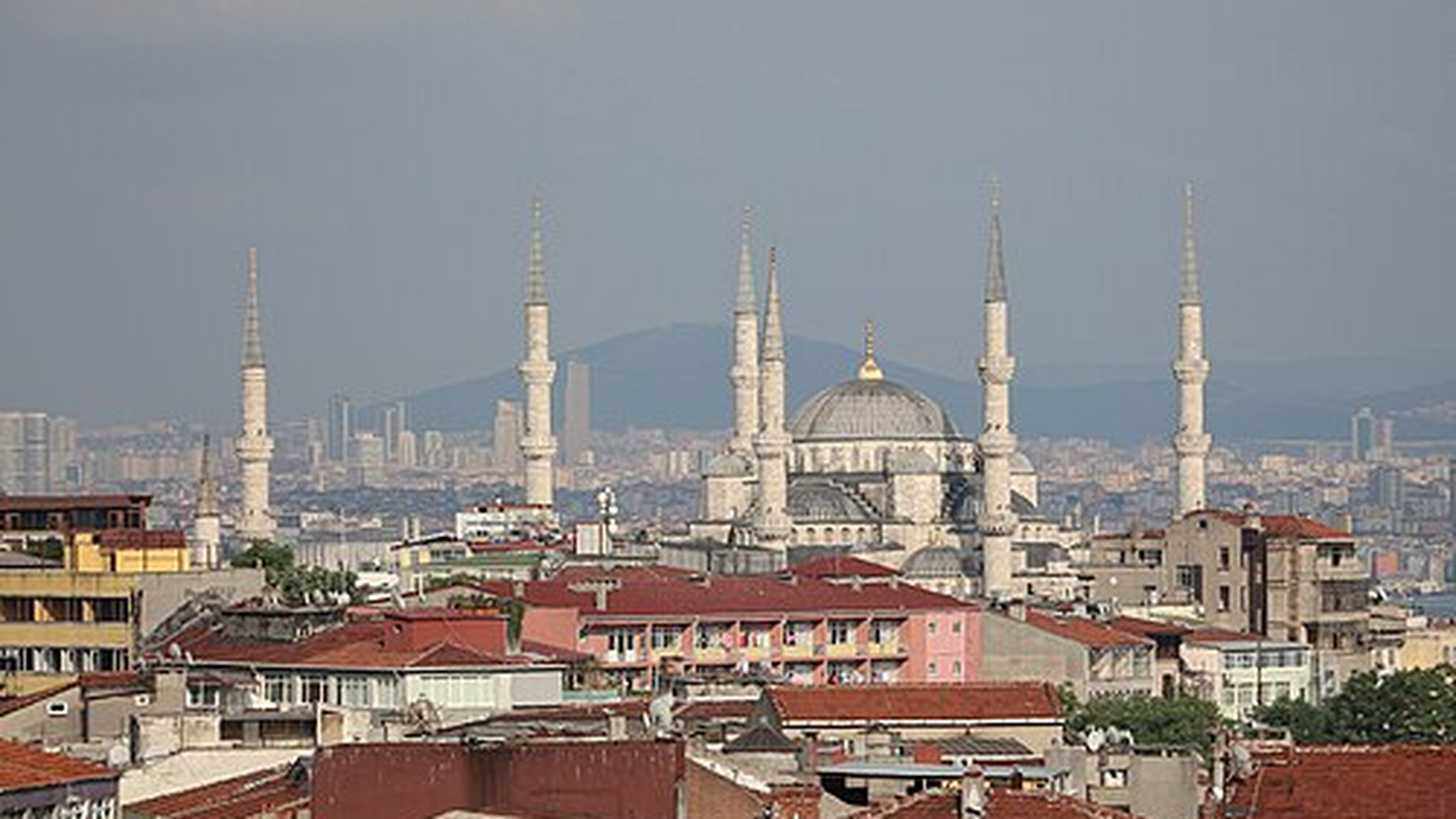
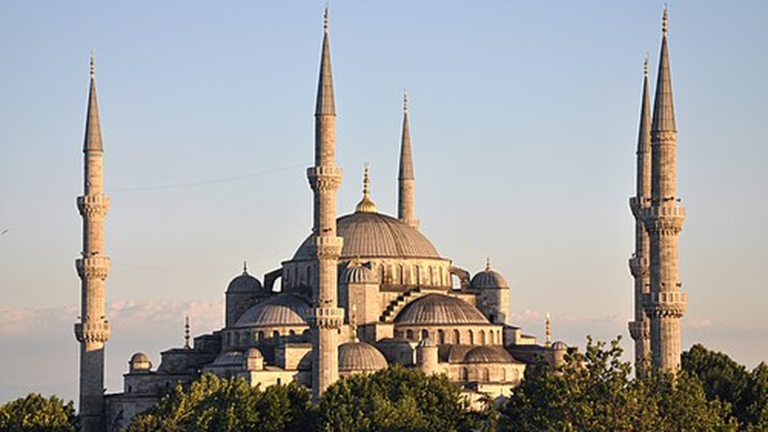
Completed in 1617, the Blue Mosque is still a working mosque. Dress appropriately and use the southwest courtyard entrance; prayer times shape visitor access. The peninsula's main visitor concentration is around Sultanahmet, where Topkapı Palace, Hagia Sophia, the Blue Mosque and several museums are clustered.
Insider: The Blue Mosque remains a working mosque; dress appropriately and avoid prayer times.
Basilica Cistern (Local name: Yerebatan Sarnici)
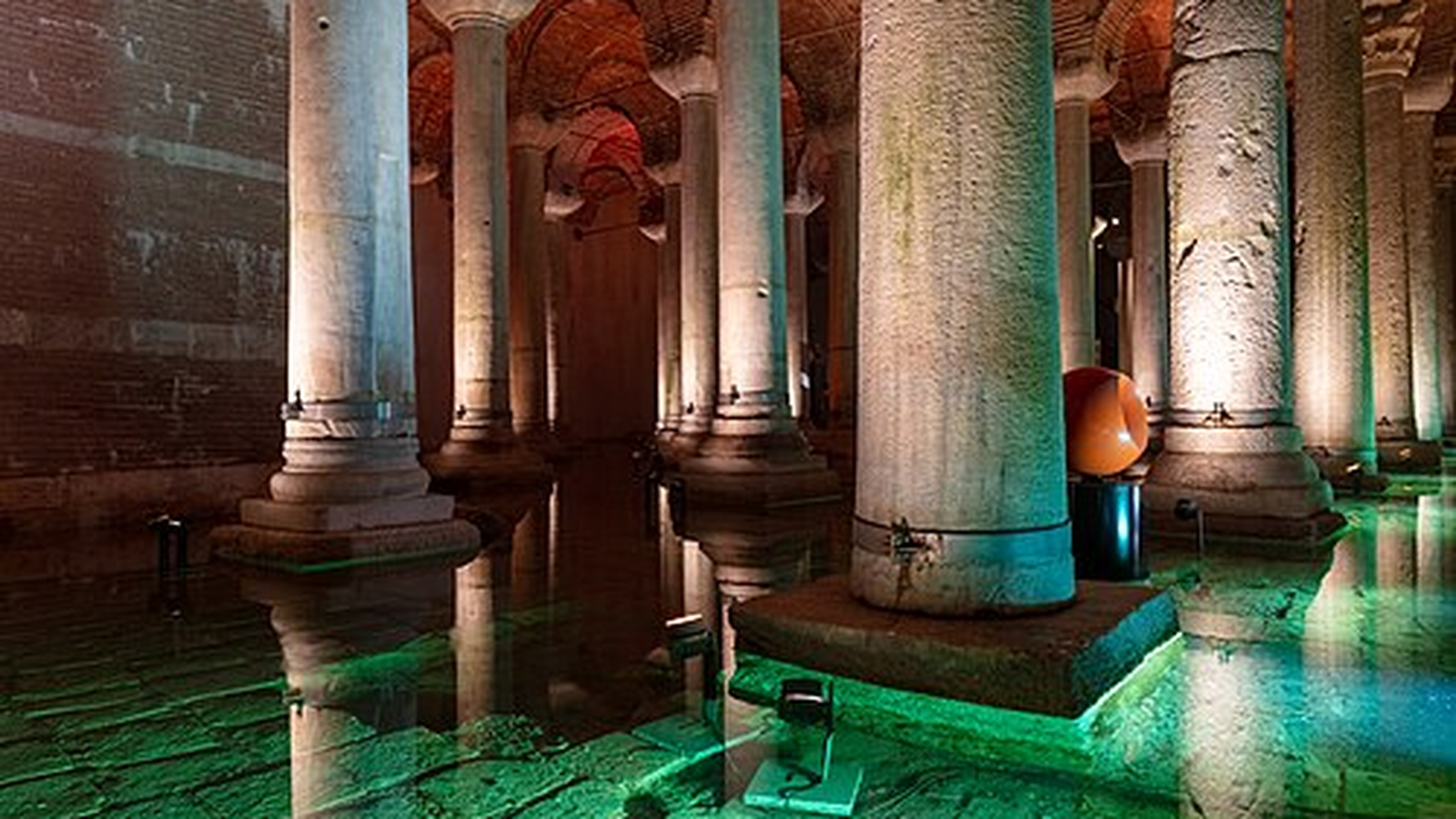
The northwest corner’s Medusa-head blocks are reused as column bases; their original source remains unknown. The Basilica Cistern was built by Justinian in 532 to store the city's water and contains 336 decorated columns.
The story: Justinian’s Basilica Cistern was built in 532 to store the city’s water, and its underground hall contains 336 decorated columns.
Getting in: A short walk away, the Basilica Cistern turns another piece of the city’s infrastructure into a visit underground.
Grand Bazaar (Local name: Kapalı Çarşı)
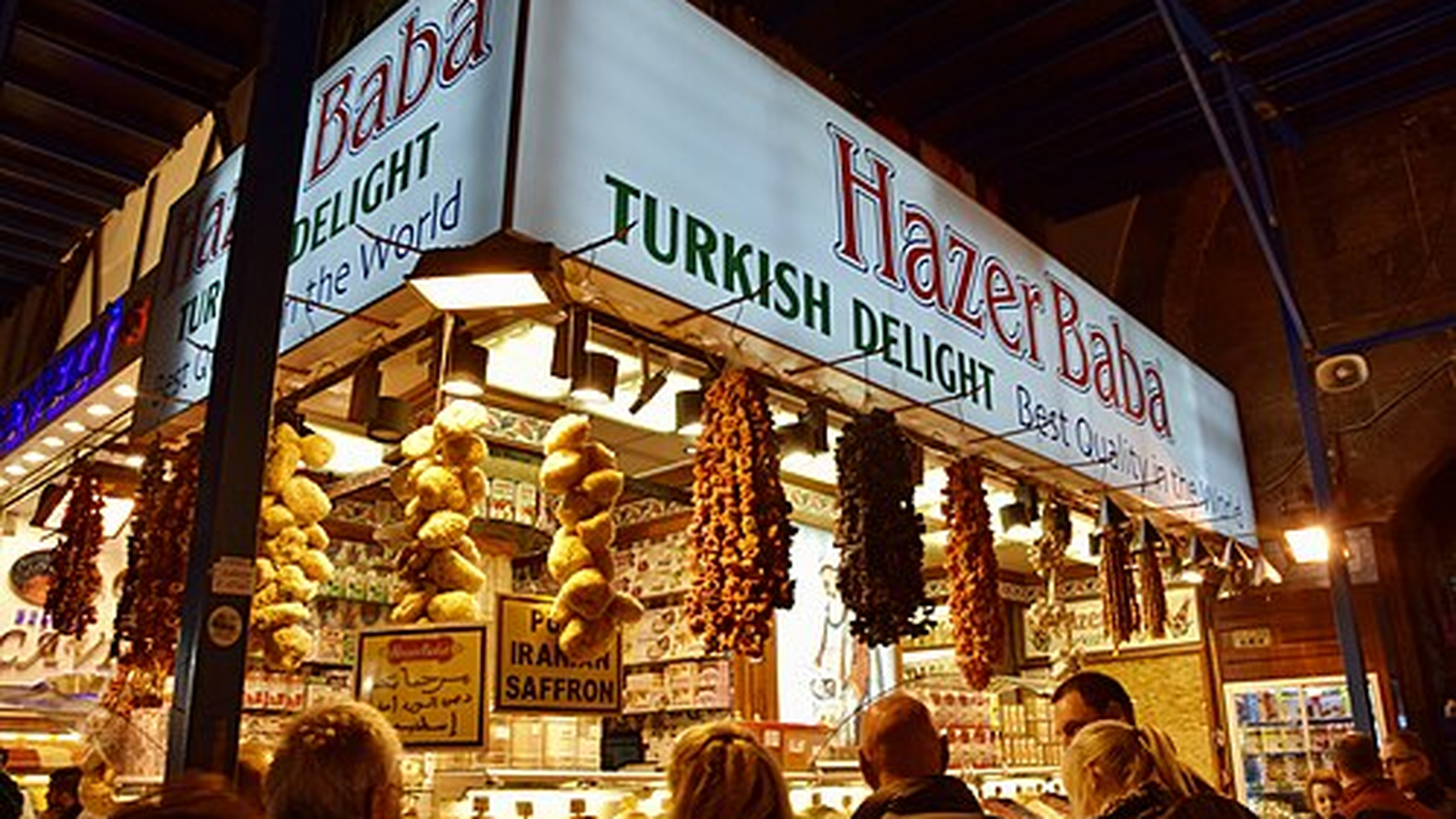
More than 4,400 shops are arranged by merchandise type. Give yourself 45–60 minutes to browse the vast spread of goods. Anadolu Nargile is a shisha café in the courtyard of the former Çorlulu Ali Paşa Medrese, near Beyazıt-Kapalıçarşı.
Bosphorus Strait
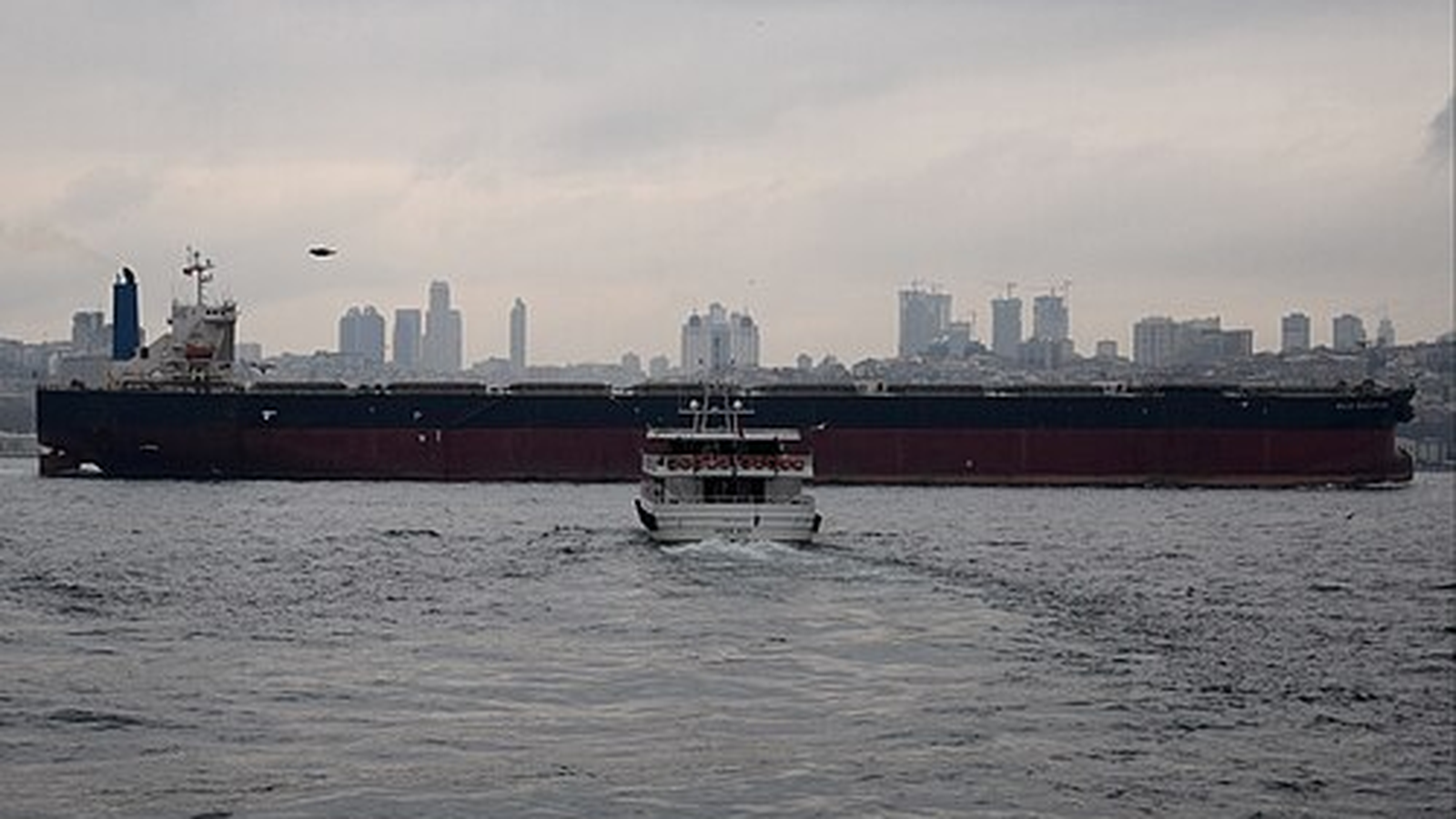
A long ferry tour gives you a view of the strait from the water. The listed fare is 640 ₺ (≈$19) for either a one-way trip or a round trip, with no discount for minors; confirm current prices. Topkapı Palace served as the Ottoman emperors' imperial enclave for four centuries and contains four courts, exhibitions, and views over the Bosphorus.
Short on time?: Save the long Bosphorus ferry tour for another visit: its listed fare is 640 ₺ (≈$19) for either a one-way trip or a round trip; confirm current prices before you go.
Getting in: With an extra stretch of time, cross the Bosphorus by ferry.
Before You Visit Preview
Your first Istanbul route begins at an airport exit. At Istanbul Airport, the M11 station is outside exit 11, in front of the parking lot; the ride to Gayrettepe takes about 30 minutes, but reaching your final stop may require a transfer and a short walk. Settle the airport journey before you land, because “metro” does not mean one ride to every sightseeing area.
- From Gayrettepe, transfer to M2 or take the 600 m moving walkway to the Metrobus connection at Zincirlikuyu.
- The M11 fare depends on distance and stops. With IstanbulKart, the maximum fare is charged on entry; tap out for an automatic refund of any excess.
- At Sabiha Gökçen Airport, about 30 km east of the city centre, onward options include M4, buses, shuttles and taxis.
- M4 takes about an hour from Sabiha Gökçen to Kadıköy; from there, a ferry can carry you to the European side.
- At either airport, use the official taxi rank, avoid drivers approaching inside the terminal, and check that the meter is running.
Where to Stay
A morning in Balat begins among colorful houses and stairways. The neighborhood’s streetscape gives you a reason to explore on foot, one turn and one climb at a time. For a first stay built around the peninsula’s major sights, Sultanahmet puts Topkapı Palace, Hagia Sophia, the Blue Mosque and several museums in one concentrated area. The sights can fill several days; reaching Sultanahmet from Istanbul Airport by metro involves at least two transfers, including a walk between Vezneciler and Laleli-Üniversite. Kumkapı, south of Beyazıt, brings a different evening: this old fishermen’s quarter has traditional taverns that mostly serve seafood. West of it, Samatya’s seafood-focused taverns offer more meat choices, a useful distinction for groups whose menus do not match. These neighborhoods suit a meal-led stay; Balat gives the day a streets-and-stairs focus. For cross-city journeys, Marmaray connects Sirkeci and Üsküdar with stops farther west and east; trains are listed every 15 minutes between 06:00 and 23:00. Base near Sultanahmet for clustered landmarks, or let Balat’s streets or the taverns of Kumkapı and Samatya set the daily route.
Best Time to Visit
April gives Istanbul its tulip window. Depending on the cultivar, blooms run from late March to early May, with April suggested for the best views. The flowers do not all follow one calendar, so plan around the broader window rather than expecting every tulip to peak on the same date. If tulips are part of your trip, April is the month to target. Summer runs warm: average daytime temperatures are around 26°C, while nights average about 17°C. The air can feel muggy. Pack for warm weather, and account for humidity when planning summer days; the temperature alone does not describe how the air may feel. April’s flowers and summer’s warm, humid air give you two distinct seasonal markers, but the calendar guidance here is strongest for tulips and summer conditions. For a flower-focused visit, aim for April; for summer, prepare for muggy air as well as warm afternoons.
Getting There and Around
Thirty kilometers northwest of the city centre, Istanbul Airport is where the first route decision begins. Metro line M11, public buses and taxis serve the airport, so you can head into town by rail, bus or road. For a taxi, ask the fare to your destination before getting in; if you accept it, tell the driver to use the taximeter. In the Old City, a taxi ride of only a few kilometres can take an hour in heavy traffic, which gives distance a rather loose relationship with arrival time. [No, can't put claim IDs prose.]
At Sabiha Gökçen Airport, the E-10 runs to Kadıköy around the clock, with a listed journey of 60–90 minutes that can stretch longer in heavy traffic. The E-3 also runs 24 hours, reaching 4. Levent metro station in about two hours; it does not take you directly to Taksim. Across Istanbul, most bus lines operate roughly from 06:00 to 23:59, and service becomes thinner after 22:00. Some routes serving major centres and the Metrobüs run all night, but overnight Metrobüs service is about hourly, so check the specific line before relying on a late connection.
Don't Be That Tourist
The ferry bumps the pier. Stay seated until it has stopped completely; standing early can send you off balance. Then watch for these other easy-to-picture missteps:
- At an airport, accepting a ride from someone who approaches you can mean getting into an unofficial vehicle. Use the official taxi stands and avoid unofficial cars.
- A driver says they are your Uber. Before boarding, match both the driver’s name and the plate to the details in the app.
- On a crowded bus or streetcar, especially during Monday and Friday rush hours, an easy-to-reach wallet gives pickpockets an opening. Keep your belongings secure.
- Walking between Sirkeci, Gülhane and Sultanahmet, you meet a tram on a narrow street. When its bell sounds, move aside.
- Treating a quoted airport taxi fare or journey time as guaranteed can leave you surprised: fares are not fixed, and traffic can slow the trip.
FAQ
Should you take the ferry from Kadıköy to Eminönü if you need to reach the Historical Peninsula?
The crossing runs daily every 20 minutes from 06:00 to 01:00 and takes 30 minutes via Karaköy. It gives you a direct water route to Eminönü, with a stop at Karaköy along the way. Plan around the ferry’s operating hours if you are heading across late.
Can you reach Istanbul Airport by road without relying on city-centre streets?
The E80 European motorway passes through the Istanbul metropolitan area and connects to the airport by car or taxi. Use that road option when your airport trip begins by vehicle.
Will Istanbul’s public-transport ticket kiosks take your card or foreign currency?
No. Bus, tram and metro fares differ, and the kiosks accept Turkish lira cash rather than credit cards or foreign currency. Carry lira for kiosk purchases and check the fare for the mode you plan to use.
If you land at Sabiha Gökçen, which Havabüs stop fits your route into Istanbul?
The listed services reach Taksim in 60–90 minutes, Yenisahra in about 50 minutes and Kadıköy in about 60. Buses run every 30 minutes from 04:00 to 01:00; check the timetable before setting out.