A Day-by-Day Plan for Fes, With Room to Wander
Follow Fes from Bab Bou Jeloud’s tiled gates and the medina’s winding souk streets to the Qarawiyyin, then make time for Fes el-Jdid’s surviving walls and Bab Semmarine.
Who This Is For
Alaouites Square, opened behind Bab al-Amer after 1912, gives you a western pedestrian entrance to the Jewish quarter. This plan suits travelers who want the medina walk to extend into another district, with the Jewish quarter approached on foot rather than treated as a distant add-on. Fes el Bali covers about 300 hectares and is car-free, so expect the day to unfold on foot. The main souk streets connect the gates with Qarawiyyin, the Zawiya of Moulay Idris II, and the Mosque of the Andalusians; residential lanes branch away from those commercial routes. At the square beyond Bab Bou Jeloud, Tala'a Kebira and Tala'a Seghira both lead toward Qarawiyyin. Sidi Moussa Tannery lies west of the Zawiya, another named point for a walk through the central medina.
Ground Rules Before Day One
Jnan Sbil Garden sits between New Fez and Old Fes, a green stop between the two historic quarters. Keep it as a link in the walk rather than a destination that needs its own day. From the garden, some eastern walls and bastions are visible; the Fes River passes beneath the Old Mechouar and reappears on the garden’s east side.
Qarawiyyin Mosque-University and Chouara Tannery are among Fes el Bali’s major historic landmarks, alongside residences and other historic buildings. New Town is the much larger modern urban area beyond the two historic medina quarters, Old Fes and New Fez. Borj Nord overlooks Fez from the north.
The Route in One Look
Beyond Bab Bou Jeloud, a small square opens onto two routes. Tala'a Kebira and Tala'a Seghira both lead toward Qarawiyyin and the medina’s heart; the main souk streets continue from the gates toward Qarawiyyin, the Zawiya of Moulay Idris II, and the Mosque of the Andalusians. Day 1: Take one of the two streets toward Qarawiyyin, with the market lanes and historic walls of Fes el Bali around you. Day 2: Use the main souk streets as your route between the gates and central landmarks. Day 3: Put the Zawiya of Moulay Idris II on the route, then turn toward Fes el-Jdid: Bab Semmarine marks its monumental southern entrance. The Jewish quarter also has a western pedestrian approach from Alaouites Square (Place du Commerce), behind Bab al-Amer, opened after 1912.
Day-by-Day Plan
Start in Old Fes (Fes el Bali), where market streets, winding alleys, and historic walls frame the walk toward the Qarawiyyin Mosque-University. The district’s landmarks include mosques, madrasas, hammams, caravanserais, and residences; give its streets two to three hours rather than trying to collect every stop.
Al-Qarawiyyin Mosque-University
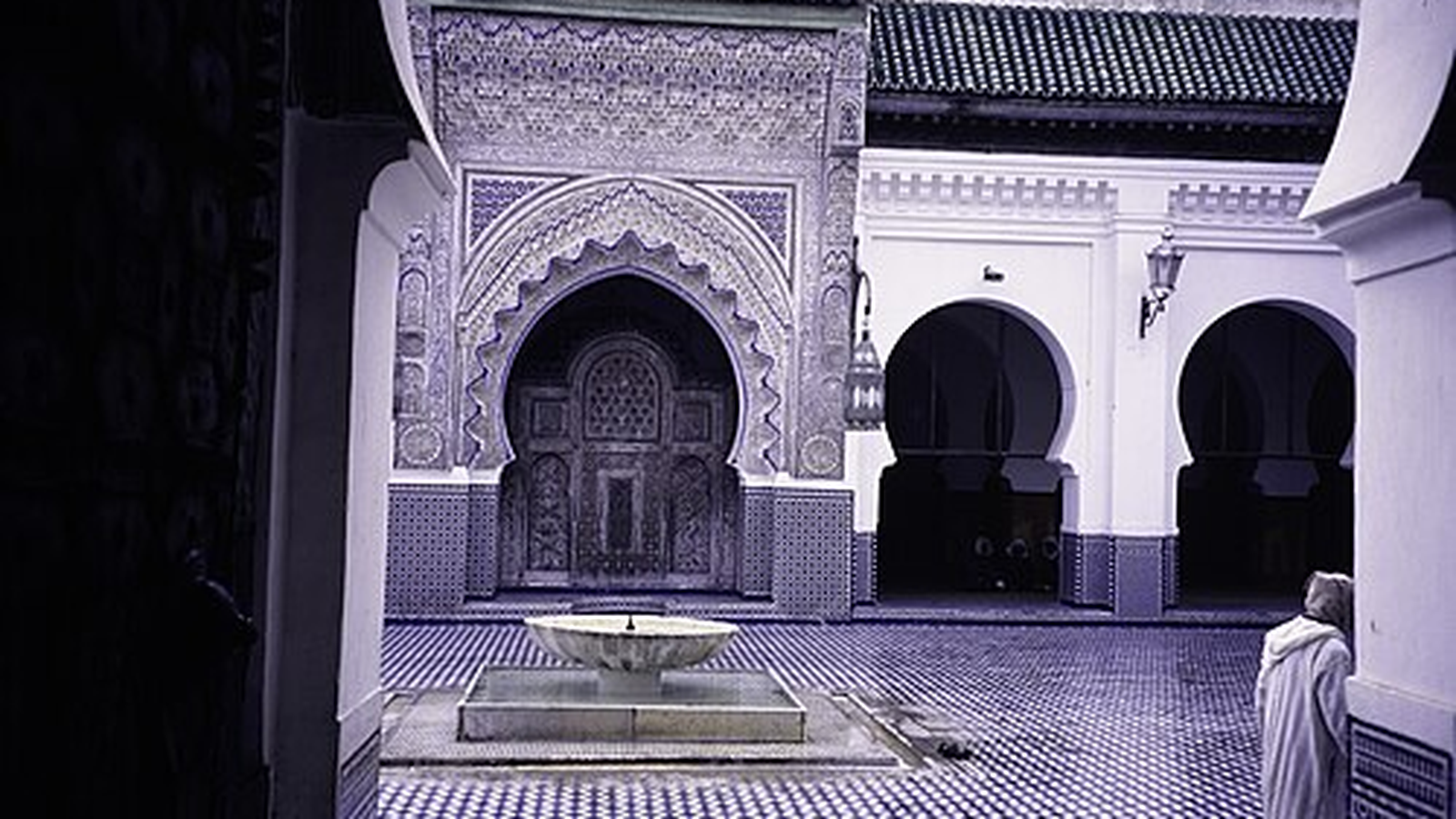
Make the Qarawiyyin Mosque-University the central landmark on your first walk through Old Fes; it is among the district’s major historic sites. Ian D. Morris says there is no empirical evidence that Fatima founded the al-Qarawiyyin library. Historians disagree, but some claim the Qarawiyyin began as a mosque founded in 857 by Fatima al-Fihri and is now a university.
The story: Two sisters, two mosques: Fatima built al-Qarawiyyin, the traditional account says, while Maryam built al-Andalusiyyin.
Old Fes (Local name: فاس البالي)
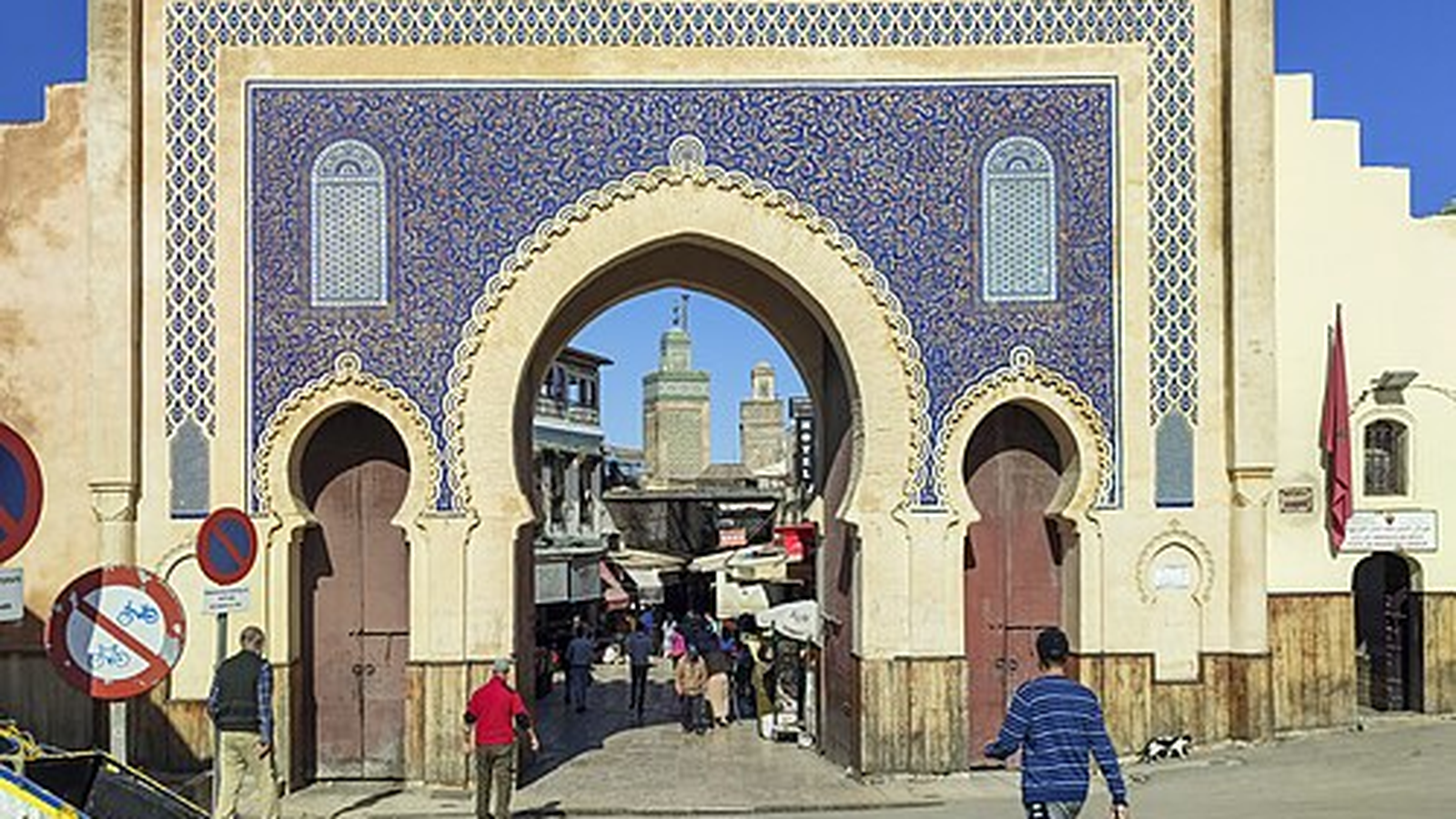
Market streets, narrow winding alleys, historic walls, and major landmarks fill this historic district. Set aside two to three hours for the walk. Jnan Sbil Gardens were built within the walled corridor connecting Fes Jdid and Fes el-Bali. Fes el-Jdid and Fes el-Bali have been classified together as a UNESCO World Heritage Site since 1981.
The story: Across Old Fes and Fes el-Jdid, the dates run from a possibly 12th-century gate to buildings raised under an 18th-century sultan.
Getting in: The river divides Fes el Bali into two quarters: Qarawiyyin on the west bank, the Andalusian Quarter on the east.
Look for: At the city’s northern edge, another defensive layer appears in the walls of Old Fes, rebuilt during the Almohad period in the 12th and 13th centuries.
Insider: The medina’s winding heart can leave you unsure which way out is which.
Finish Day 1 at Bab Boujeloud, then keep the extra lanes for another pass if time remains. Its place on this route gives the first day a clear endpoint.
Bab Boujeloud
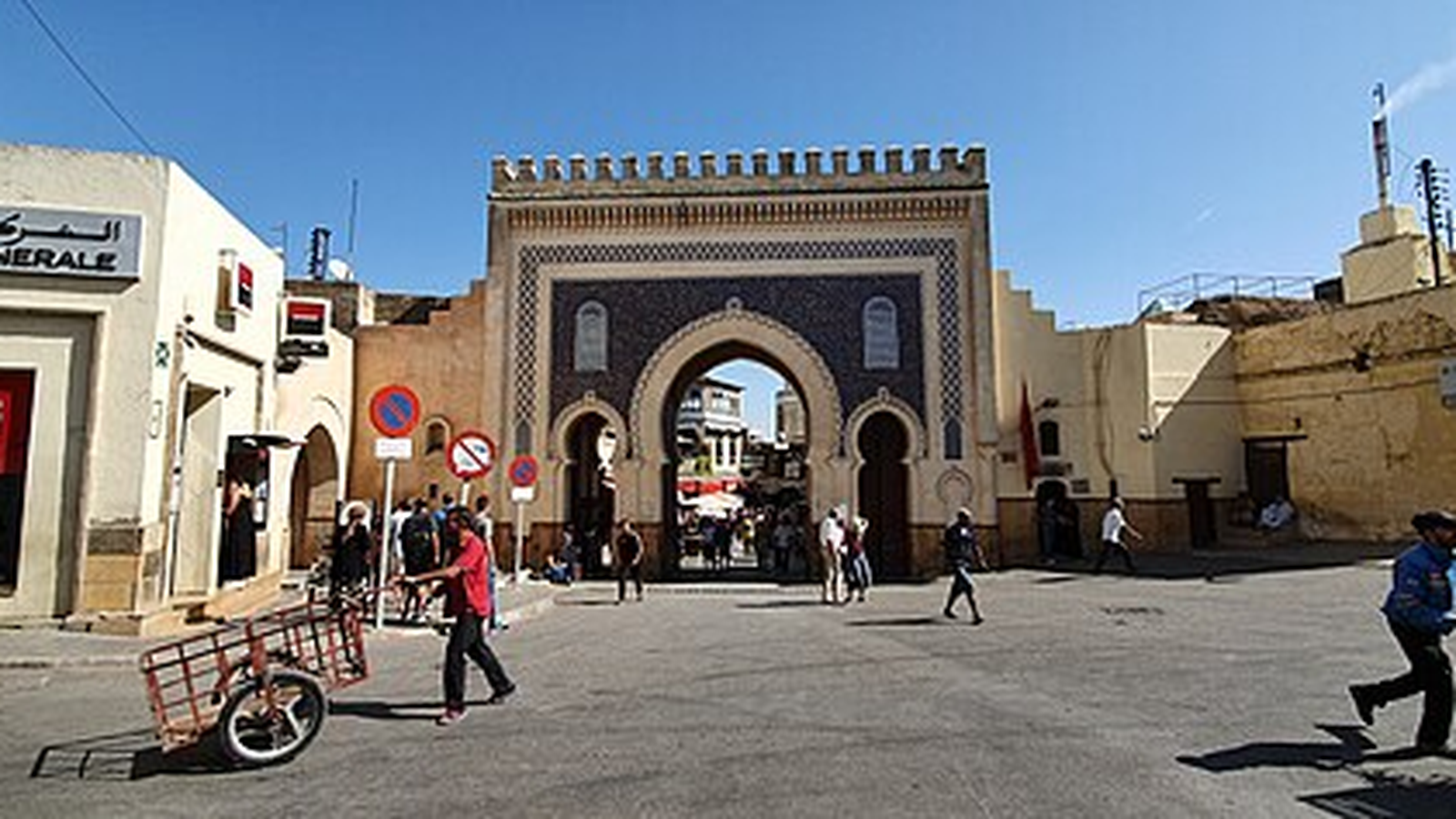
Use the gate as the day’s endpoint after the central streets of Old Fes. Allow 15 to 30 minutes for the stop. Bouanania near Bab Boujeloud serves tagine, couscous, and other staples; listed meals cost around 40 dirham, with prices said to be negotiable down to 25 dirham.
The story: Bab Bou Jeloud changes color as you pass through: blue dominates the outer façade, greenish tones the inner one, and both sides carry polychrome tiles with arabesques…
Getting in: Bab Bou Jeloud marks the main western entrance to Old Fes; car traffic generally cannot continue beyond the gate into the historic city.
Eat near: For a lower-cost meal, compare restaurant prices with street food: inexpensive options are concentrated around Bab Boujeloud, with some stalls near Place R’cif.
Insider: From Fès-Ville station, ask a petit-taxi driver to use the meter for the ride to Bab Boujeloud, the medina’s main gate; the fare is about 20 د.م.
Begin Day 2 early at Chouara Tannery, before the sun reaches the tannery and the smell sets in. Tanning has operated in Fez since the city’s foundation, and the tanneries remain among its main tourist attractions. Give this stop one to two hours; skip a second tannery if the day is tightening.
Chouara Tannery
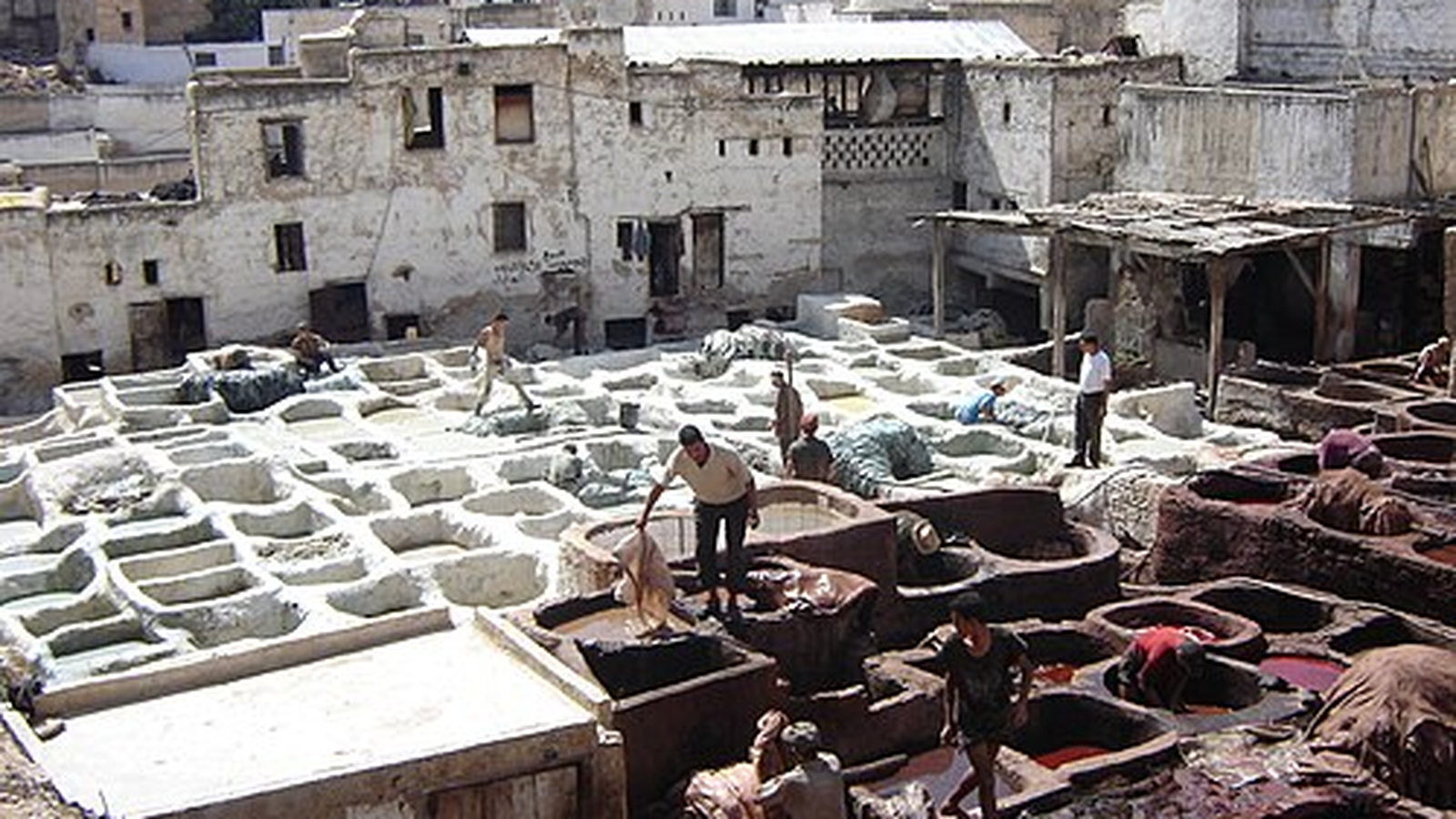
Tanning has operated in Fez since the city’s foundation. Arrive early, before the sun reaches the tannery and the smell sets in, and allow one to two hours. Chouara Tannery is near the Saffarin Madrasa along the river and is the largest of Fez's three tanneries. The Qarawiyyin Mosque-University, Chouara Tannery, and numerous mosques, madrasas, hammams, caravanserais, and residences are among Fes el Bali's major historic landmarks.
Bou Inania Madrasa
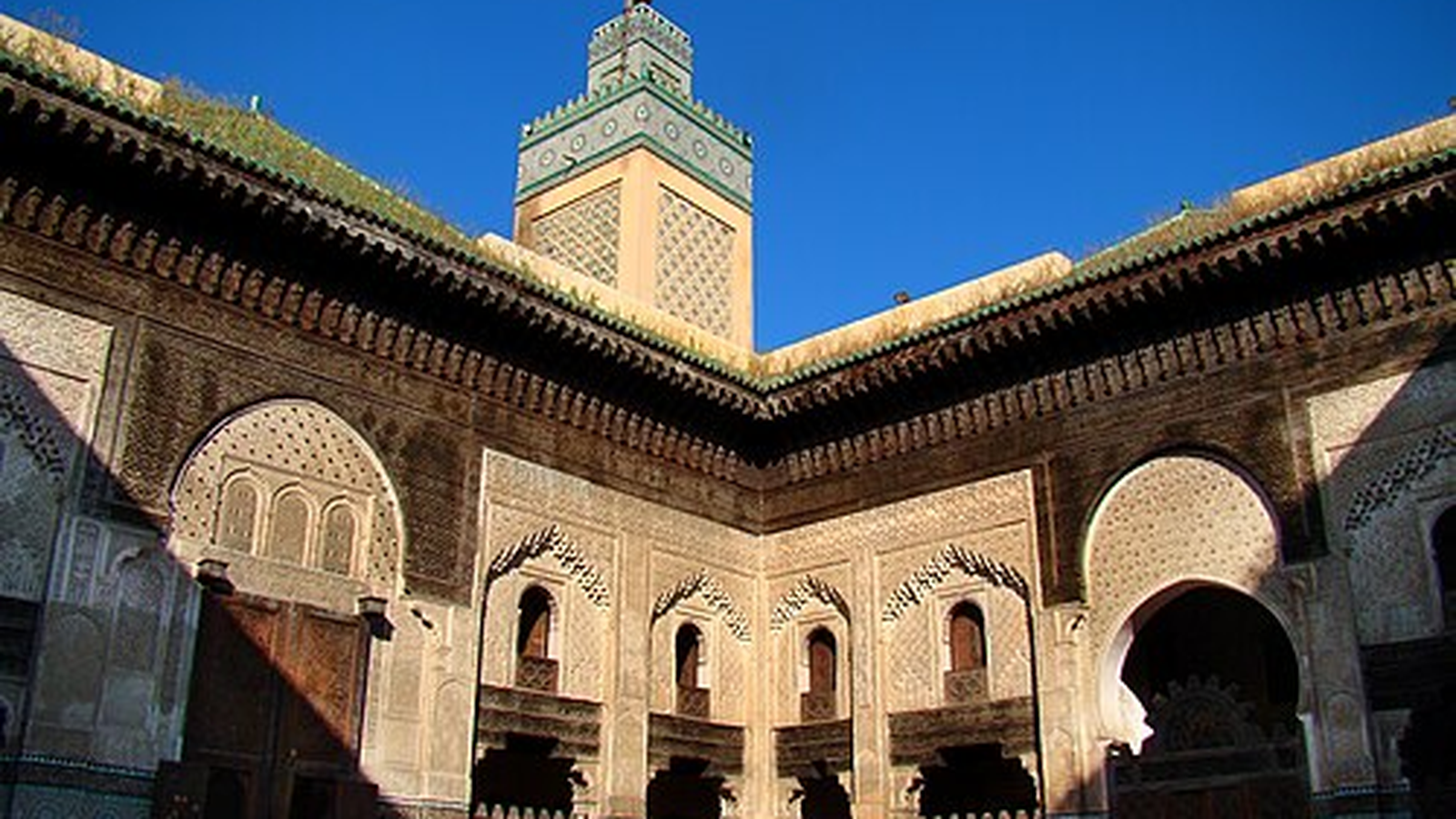
The Marinids built Bou Inania among Morocco’s first true madrasas. A guide listing gives visiting hours of 09:00–18:00 and admission of 20 dirham; those details date to March 2018. The Bou Inania Madrasa was built by Marinid ruler Abu Inan Faris.
Put the Zawiya of Moulay Idris II on Day 3. Historians disagree about accounts linking the transfer of Jewish residents to the rediscovery of Idris II’s body in 1437 and the area’s sacred status. Keep that account qualified as you approach the Zawiya.
Zawiya of Moulay Idris II
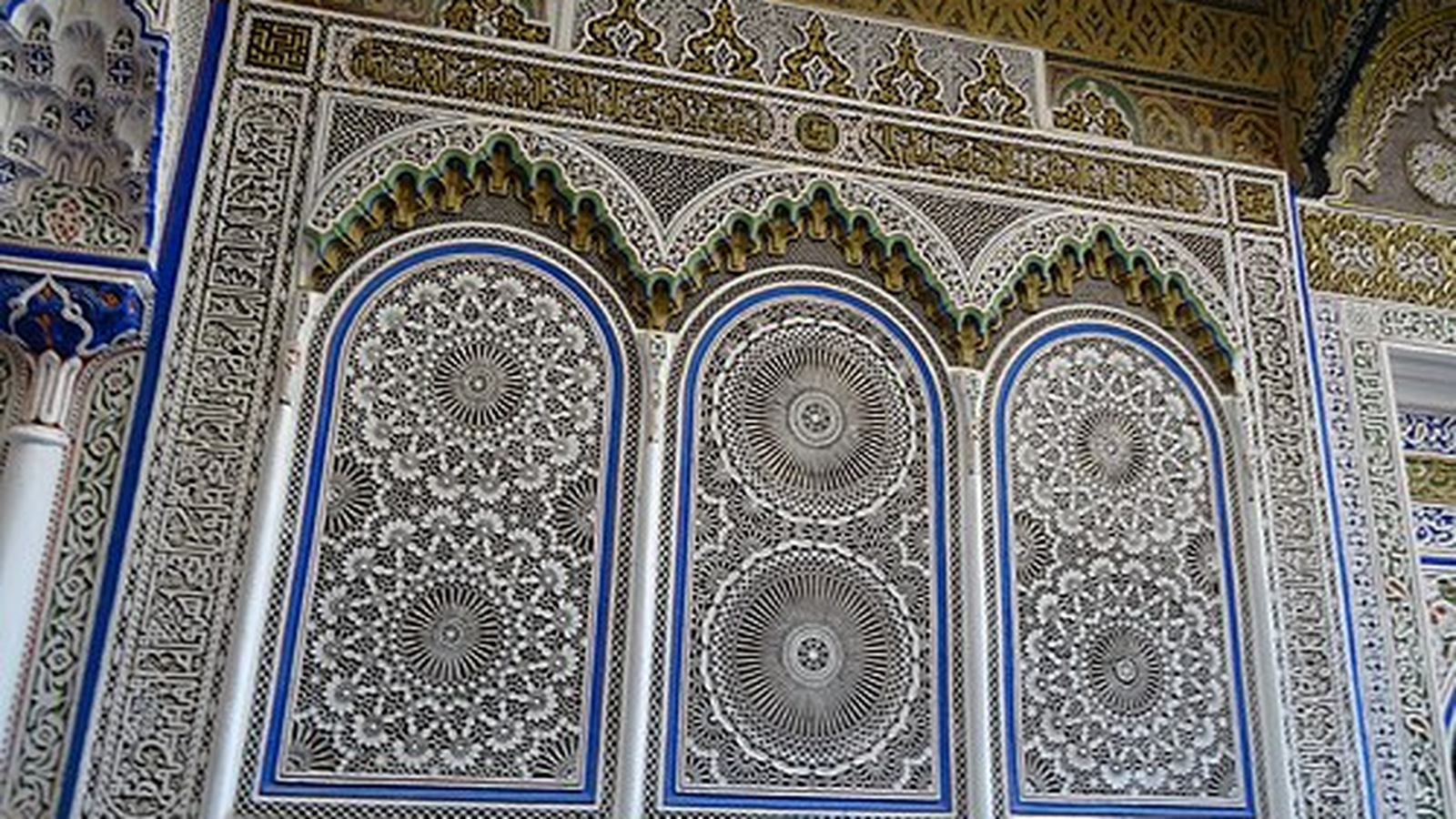
The Zawiya gives Day 3 a stop connected to accounts of Idris II’s rediscovery in 1437. Historians disagree about the account linking it to the transfer of Jewish residents and the area’s sacred status. The historic medina contains major religious sites, including the Qarawiyyin complex and the Zawiya of Moulay Idris II.
The story: The Zawiya of Moulay Idris II is a religious complex, and its place in the old medina puts a named shrine among the city’s central landmarks.
Getting in: For a walk toward the Qarawiyyin, Zawiya of Moulay Idris II, or Mosque of the Andalusians, use the main souk streets as your broad bearings; branching residential lanes are not the same routes.
Stop by Stop
A route through Fes can turn from market streets to carved madrasa details, then end at a working tannery. The landmarks sit within Old Fes, whose lanes hold mosques, madrasas, hammams, caravanserais, and residences.
Travel Between Stops
The walk keeps its bearings in the market streets. From the city’s main gates, they typically run toward Qarawiyyin, the Zawiya of Moulay Idris II, and the Mosque of the Andalusians. Use that route between the named landmarks; the streets themselves do the connecting. At the square beyond Bab Bou Jeloud, Tala'a Kebira and Tala'a Seghira both lead toward Qarawiyyin and the medina’s heart. Two entrances, one destination.
If Day 2 brings you from the Zawiya toward Sidi Moussa Tannery, the tannery lies west of the shrine. For the Jewish quarter, Alaouites Square offers a western pedestrian entrance; the square opened behind Bab al-Amer after 1912. Set that approach aside for the day that includes the Jewish quarter, rather than folding it into the central-medina walk.
When to Eat and Rest
When the market streets start competing for your attention, food is already part of the route. Stalls line the Fez medina with dried fruit and other goods alongside leather, ceramics, and textiles; let the food stalls break up the browsing rather than turning lunch into another landmark to collect. The day’s market has its own menu, and dried fruit travels with the walk. For a pause between historic quarters, Jnan Sbil Gardens lie between the Old Mechouar and Place Bou Jeloud. On a Jewish quarter walk, Street of the Market (Derb al-Souq) runs southwest from the Bab el-Mellah area; it served as the district’s main market street. The market routes keep the meal close to the day’s wandering.
Optional Stops
Bab Bou Jeloud changes color as you pass through: blue dominates the outer façade, greenish tones the inner one, and both sides carry polychrome tiles with arabesques and Moroccan geometric motifs. If you have time beyond the main route, this gate is an easy architectural pause; the two façades have managed to disagree politely. For a longer detour, head to Borj Nord, a 16th-century Saadi fortress overlooking Fez from the north. Its elevated position gives the city-view stop a clear purpose.
- Add the surviving sections of Fes el-Jdid’s former eastern walls and its Saadian-era bastions to a fortification-focused walk.
Borj Nord (Local name: Borj al-Shamali)
For a longer detour, head to Borj Nord, a 16th-century Saadi fortress overlooking Fez from the north. Borj Nord and Borj Sud are sister forts built by the Saadis in the late 16th century.
Al Attarine Madrasa
Choose the Al-Attarine Madrasa for medieval architecture within Old Fes (Fes el-Bali); it was built between 1323 and 1325. Al Attarine Madrasa is listed as open 08:00–18:00 and charges 50 dirham.
Status: The Al Attarine Madrasa is listed as open from 08:00 to 18:00, with admission at 50 د.م.
Rue Boukhessissat
In the Upper Jewish quarter (Mellah), Rue Boukhessissat—also called Rue des Mérinides—runs between the district and the Royal Palace; it was created in 1924.
Plan B (You Will Need It)
Rain can send the day's walking route toward Jnan Sbil Gardens, where some surviving eastern walls and bastions are visible. The Fes River passes beneath the Old Mechouar and reappears on the square's east side in the gardens. Fes el Bali covers about 300 hectares, and its traditional streets and alleys are unsuitable for cars. Its old walled lanes make this a day on foot, whether the route runs through market streets or toward the gardens.
What to Skip With Limited Time
With one day, cut the extra detours first. The Fez potteries are a separate stop from Bab el-Ftouh, reached by taxi for 5 د.م. (≈$0.50); the clay-shaping process is there to see, and bargaining is advised when buying. If shopping is not on your list, leave the pottery visit for another day. A craft demonstration followed by a sales conversation can take more than the ride.
Keep the walk in Old Fes. Talaa Kbira runs from Bab Boujeloud toward the Kairouine mosque, while Talaa Sghira starts at the same gate and later rejoins it. Sidi Moussa Tannery sits about 700 metres southeast of Chouara and is the smaller stop; with limited time, visit one tannery rather than adding both. Two tanneries, one day. The second is still smaller.
Save the southern approach for a day that includes Fes el-Jdid and the Jewish quarter. From Bab Semmarine, a street passes through Sidi Bou Nafa' toward Bab el-Mellah, the official entrance to the Jewish quarter proper. The Oued Bou Khrareb separates the Qarawiyyin and Andalusian quarters in Old Fes, where the route can stay focused on the medina’s central streets.
Les potteries de Fez
The Fez potteries are a separate stop from Bab el-Ftouh, reached by taxi for 5 د.م.
Talaa Kbira
Talaa Kbira runs from Bab Boujeloud toward the Kairouine mosque, while Talaa Sghira starts at the same gate and later rejoins it.
Sidi Moussa Tannery
Sidi Moussa Tannery sits about 700 metres southeast of Chouara and is the smaller stop; with limited time, visit one tannery rather than adding both.
Getting in: Sidi Moussa Tannery lies west of the Zawiya of Moulay Idris II, giving you a geographic reference for moving between the two.
Bab Semmarine
From Bab Semmarine, a street passes through Sidi Bou Nafa' toward Bab el-Mellah, the official entrance to the Jewish quarter proper. Rue des Mérinides runs east between the Mellah and the Royal Palace walls, passing in front of Bab Semmarine.
Where to Stay
The river divides Fes el Bali into two quarters: Qarawiyyin on the west bank, the Andalusian Quarter on the east. Fes el Bali is the oldest part of Fez; together with New Fez (Fes Jdid), it forms the historic medina. New Town (Ville Nouvelle) is a much larger modern urban area, a different address from the old quarters.
The Things Nobody Tells You
A car cannot carry you through Fes el Bali. The district covers about 300 hectares, and its traditional streets and alleys are unsuitable for cars; plan to cover the medina on foot. At Bab Bou Jeloud, use the small square beyond the gate to choose your way in: Tala'a Kebira and Tala'a Seghira both lead toward Qarawiyyin and the medina’s heart.
- For a route through the central medina, take the main souk streets from the gates toward Qarawiyyin, the Zawiya of Moulay Idris II, or the Mosque of the Andalusians.
- Approach the Mellah from the west via Place du Commerce, behind Bab al-Amer; the square opened after 1912.
- Between the Old Mechouar and Jnan Sbil Gardens, the Fes River passes beneath the square and reappears on its east side in the gardens.
How It All Connects
Here is the route through Fes: Day 1 (Al-Qarawiyyin Mosque-University): Al-Qarawiyyin Mosque-University → Old Fes → Bab Boujeloud. Day 2 (Chouara Tannery): Chouara Tannery → Bou Inania Madrasa. Day 3 (Zawiya of Moulay Idris II): Zawiya of Moulay Idris II. Use this to prioritize stops and decide what to skip if you have limited time.