Your Days in Istanbul: A Route with Room to Wander
Use M4 from Sabiha Gökçen Airport to Kadıköy, then take a ferry to the European side; along the Sirkeci–Gülhane–Sultanahmet tram route, watch for bells and step aside on the narrow street.
Who This Is For
A tram bell cuts through the narrow street between Sirkeci, Gülhane and Sultanahmet; step into a shop doorway or recess and let the tram pass. This route suits travelers happy to walk with their attention on the street, then shift gears for a cross-city journey when the day calls for one. At Sabiha Gökçen Airport, the M4 takes about an hour to Kadıköy, where a ferry can carry you onward to the European side. The neighborhoods also give you a simple east-to-west order: Kumkapı first, then Samatya farther west.
Ground Rules Before Day One
Budget about an hour for the M4 from Sabiha Gökçen Airport to Kadıköy, then continue to the European side by ferry. Your arrival day has a cross-city leg built into it; avoid placing a tightly timed first stop right after landing. Sabiha Gökçen sits about 30 km east of the city centre and also has buses, shuttles and taxis. The E-10 to Kadıköy runs around the clock, with a listed journey of 60–90 minutes that can stretch longer in heavy traffic.
- Most bus lines run roughly 06:00–23:59, with fewer services after 22:00; check the specific line before relying on a late ride.
- Some major-centre routes and Metrobüs run 24/7; overnight Metrobüs service is about hourly.
- Before boarding a taxi, ask the fare to your destination. If you accept it, tell the driver to use the taximeter.
- On foot between Sirkeci, Gülhane and Sultanahmet, step into a shop doorway or recess when you hear a tram bell.
The Route in One Look
The route begins with a choice of airport. Istanbul Airport lies about 30 km northwest of the city centre, with M11, public buses and taxis serving the city. From Sabiha Gökçen, the M4 reaches Kadıköy in about an hour; the European side comes after, by ferry. Your arrival point sets the shape of the first journey.
There is also an overnight bus from Sabiha Gökçen to 4. Levent metro station: the E-3 runs 24 hours and takes about two hours. For trips through the Old City, distance can be a poor clock; a taxi ride of only a few kilometers may take an hour in heavy traffic. Keep the airport connection and the Old City’s short hops separate when judging how much time a day can hold.
Day-by-Day Plan
Day 1 begins in Gülhane Park, where the T1 passes near the Old City’s major sights. Give the park 30–60 minutes; April is the recommended month for tulips, which may bloom from late March to early May. Then ride the T1 onward through Gülhane, Sirkeci and Eminönü.
Gülhane Park
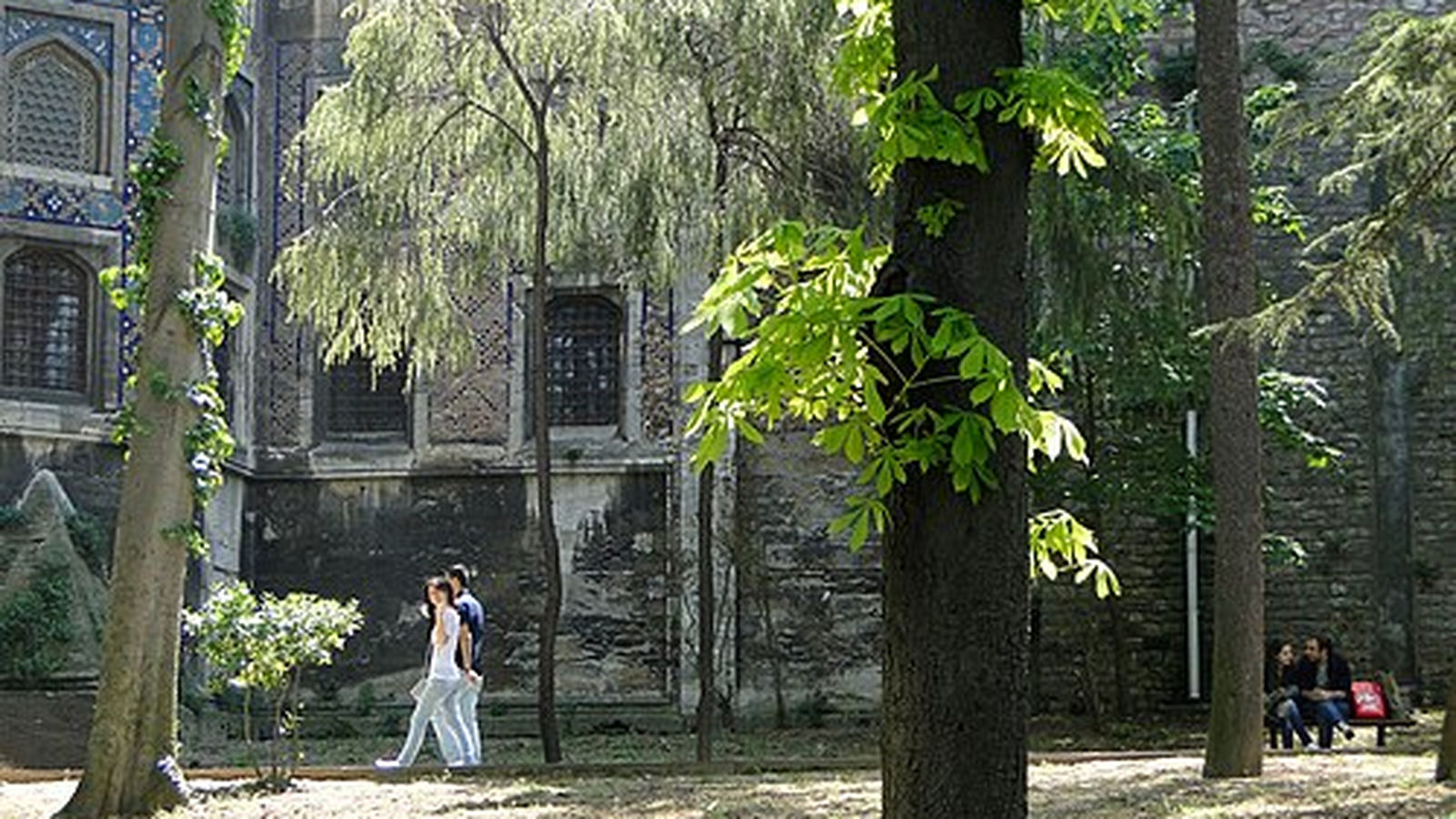
In April, tulips may be flowering across the park; the bloom can begin in late March and continue into early May. Gülhane Park occupies former outer royal gardens beside Topkapı Palace and became a public park in 1912.
Look for: Gülhane Park was once part of the outer royal gardens beside Topkapı Palace. It became a public park in 1912; the palace’s former gardens now have a public address.
Day 2 brings you to Karaköy on the T1, where the line connects with the F2 funicular and ferries. Continue by T1 toward Kabataş for the F1 funicular to Taksim Square; keep both stops on the same day, and allow 15–30 minutes at the square. The transfers are part of the route.
Karaköy
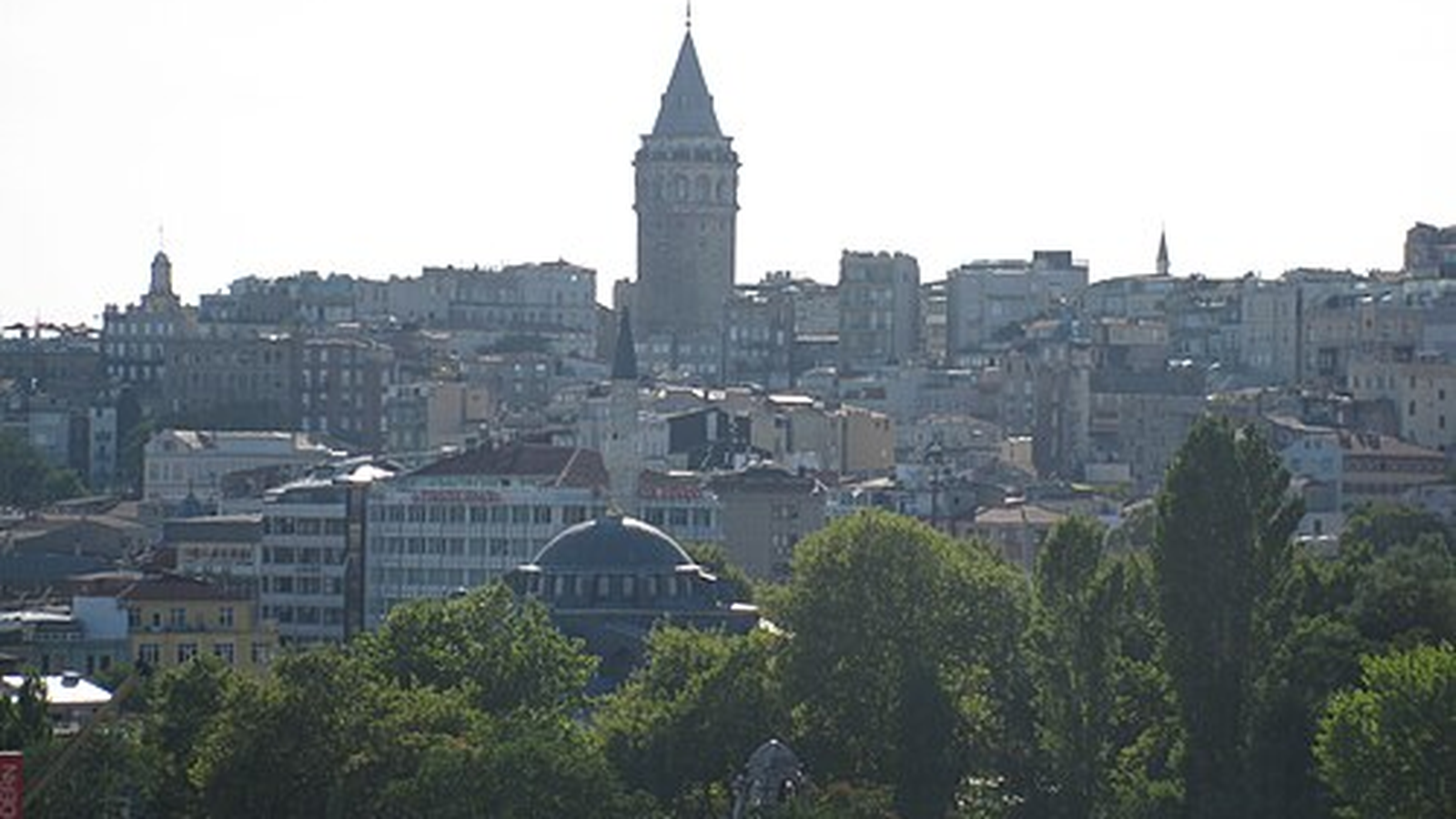
The T1 connects Karaköy with the F2 funicular and ferries, giving you onward links from the tram. Historians disagree, but some claim In 1638, Hezarfen Ahmed Çelebi supposedly flew from Galata Tower on wings and landed at Doğancılar Meydanı in Üsküdar.
Getting in: Across Istanbul, most bus lines operate roughly from 06:00 to 23:59, and service becomes thinner after 22:00.
Taksim Square
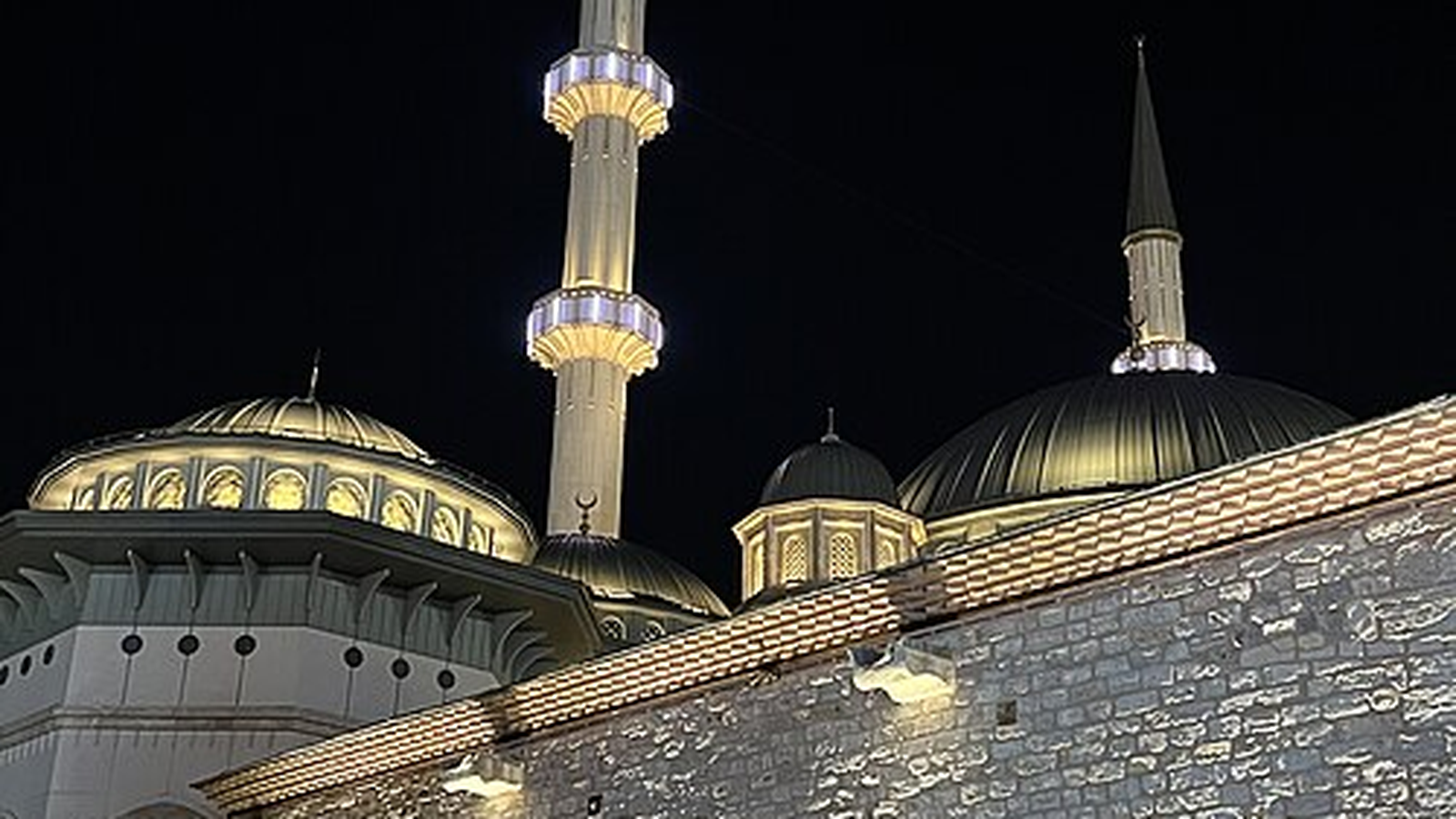
Reach Taksim from the T1 at Kabataş, where the F1 funicular makes the connection; set aside 15–30 minutes at the square.
Day 3 shifts to the Golden Horn. The boat line runs between Eyüpsultan and Üsküdar, stopping at Balat and Karaköy along the way; the full journey takes around an hour. Give Balat 2–3 hours, or shorten the neighborhood visit if you want the longer ride onward to Üsküdar. Kadıköy fits the day by ferry from the European side, and the M4 also connects it with Sabiha Gökçen Airport.
Kadıköy
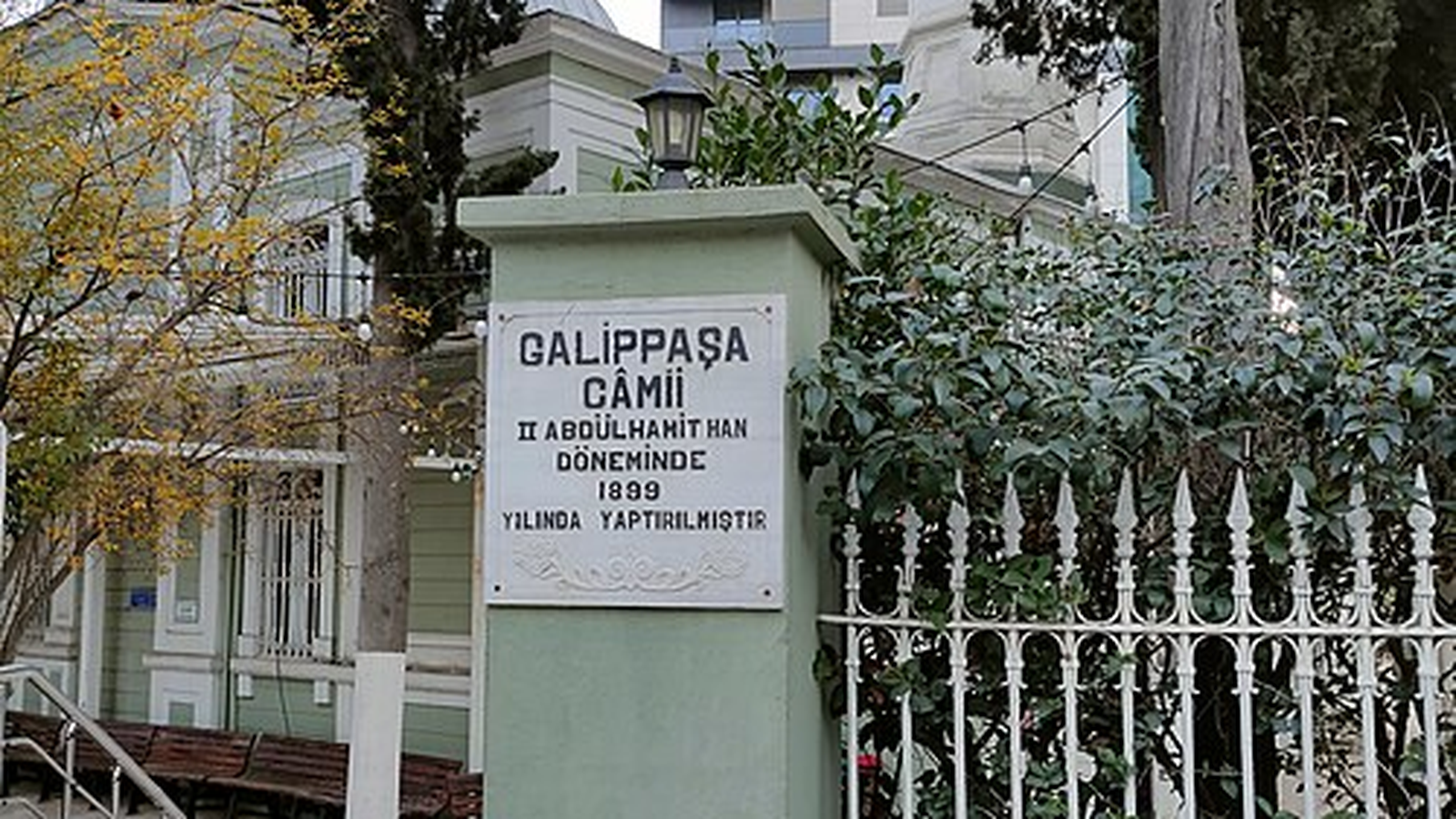
Kadıköy is a ferry-linked stop on the European-side itinerary and the endpoint of the M4 from Sabiha Gökçen Airport.
Getting in: Sabiha Gökçen is about 30 km east of the city centre, with M4, buses, shuttles, and taxis available. M4 reaches Kadıköy in about an hour; continue to the European side by ferry.
Insider: Keep that connection in mind when the day moves between Kadıköy and the European side.
Golden Horn (Local name: Haliç)
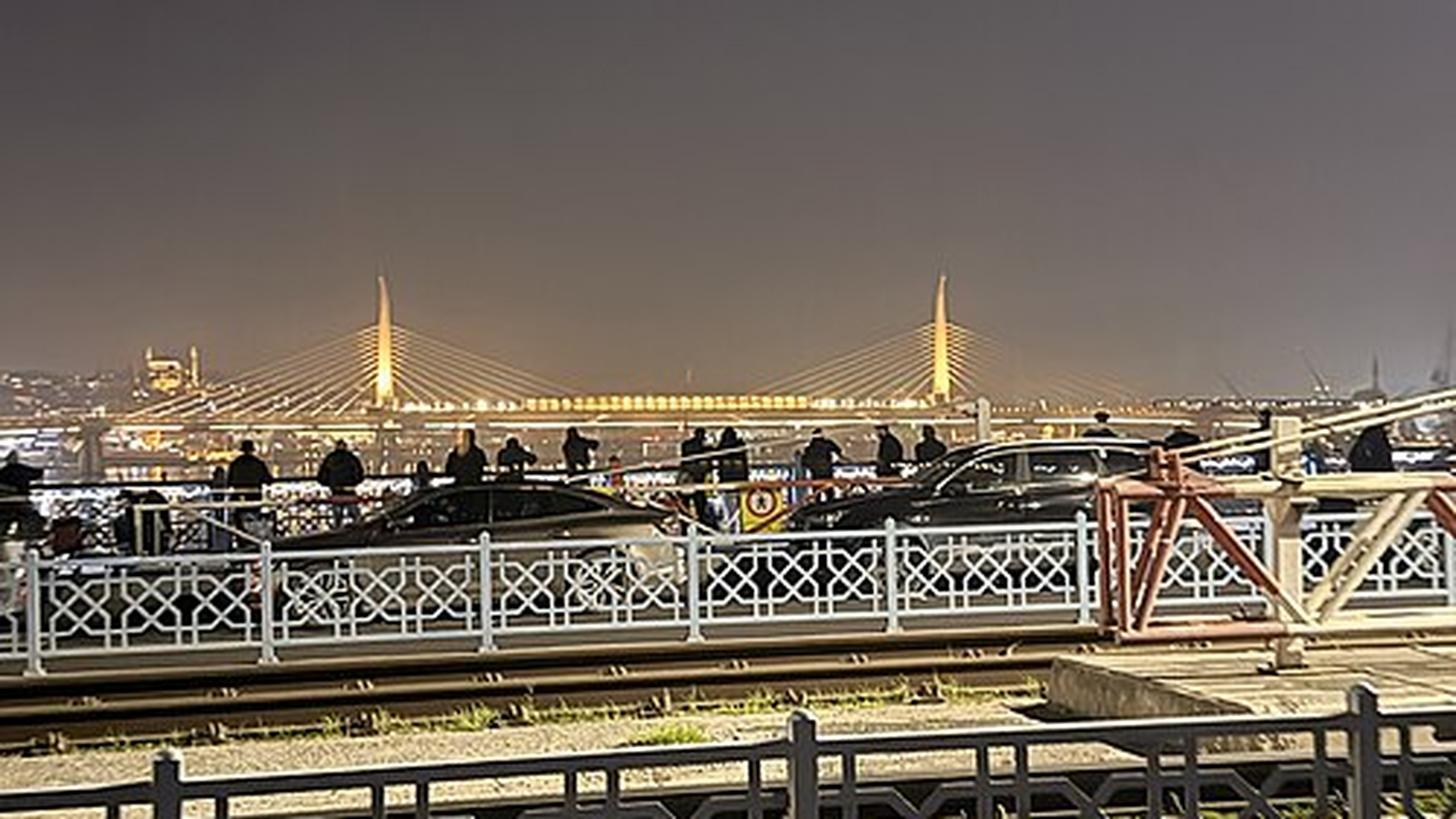
The boat route links Eyüpsultan and Üsküdar, with stops including Balat, Phanar (Fener), Cibali and Karaköy; the journey takes around an hour. The Süleymaniye Mosque was built by Sinan in the 1550s on a hill overlooking the Golden Horn and formed the centrepiece of a religious complex.
The story: The walls still draw a line around Istanbul’s historic peninsula, running from the Golden Horn to the Sea of Marmara.
Getting in: For another change of scale, head to the hill above the Golden Horn, where Sinan’s Süleymaniye Mosque formed the centrepiece of a religious complex in the 1550s.
Balat
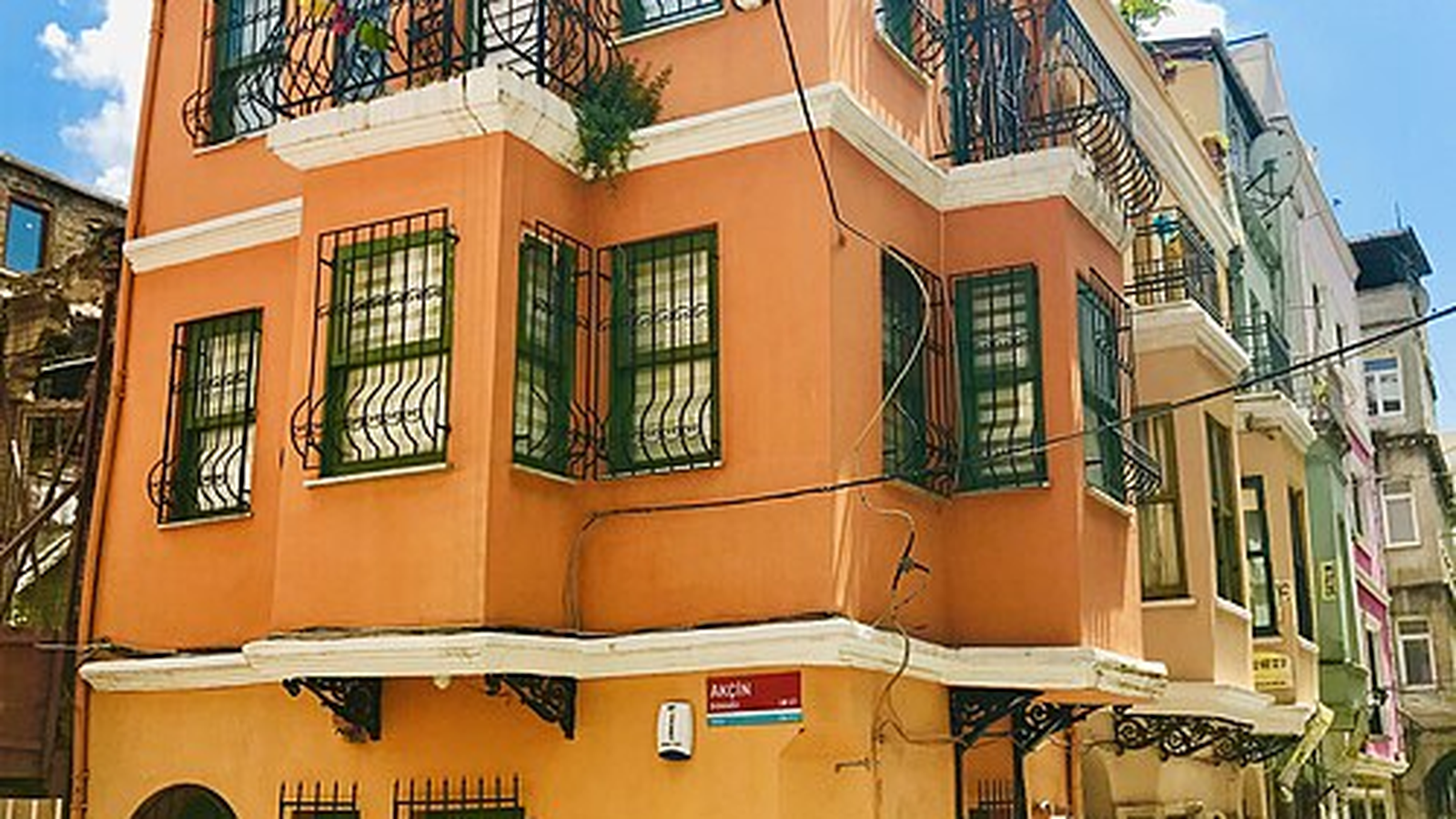
The Golden Horn boat line stops at Balat, placing the neighborhood on the route between Eyüpsultan and Üsküdar. Balat is described as a neighborhood of colorful houses and stairs.
Getting in: Balat’s colorful houses and stairs give you a streetscape to explore on foot, with a neighborhood walk along the Golden Horn.
Stop by Stop
Kadıköy is the east-side anchor: allow 2–3 hours by day, with E10 and M4 as its route cluster. The M4 links it with Sabiha Gökçen Airport, and you can continue toward the European side by ferry. For the Golden Horn (Haliç), set aside 15–30 minutes; Tram T5 marks its route cluster, while the boat line runs between Eyüpsultan and Üsküdar via Balat, Phanar, Cibali and Karaköy. The full boat journey takes around an hour, so Balat can be a two- or three-hour weekend stop before you continue along the water. Phanar and Balat’s listed church stops can be joined on foot: St George’s Cathedral and St Stephen Church sit within a few hundred metres of their respective stops.
The T1 passes near many Old City sights; its western connections include the F1 funicular to Taksim at Kabataş and the F2 funicular and ferries at Karaköy. At Eminönü, change to the T5 tram or ferries; at Bağcılar, connect with the M1 and M3 metros. Havabüs runs from Sabiha Gökçen Airport to Taksim in 60–90 minutes, Yenisahra in about 50 minutes and Kadıköy in about 60 minutes, with services every 30 minutes from 04:00 to 01:00.
Travel Between Stops
The route can shorten without warning. Between roughly 07:00–09:00 and 17:00–19:30, every other T1 tram may run only between Eminönü or Sultanahmet and Cevizlibağ; check the destination before boarding. The coast has its own line: U3/T6 runs from Sirkeci through Cankurtaran, Kumkapı and Yenikapı, then continues to Kazlıçeşme. At Yenikapı, the coastal stretch meets Marmaray. For the main coach station, take the M1 from Otogar to Aksaray and change there to T1 for the city centre. No elaborate transfer required. The airport journey already described uses the M4 to Kadıköy, followed by a ferry to the European side.
- Kadıköy–Eminönü ferries run daily every 20 minutes from 06:00 to 01:00; the crossing takes 30 minutes via Karaköy.
- Havaİst buses serve both İstanbul Airport and Sabiha Gökçen Airport, with set, published fares.
When to Eat and Rest
When the day calls for a pause, make it a glass of boza. Vefa Bozacısı has specialized in the slightly sweet-tart fermented bulgur-wheat drink since 1876; the flavor brings its own argument to the table. Fit the café into the day when you are ready to stop walking and try a drink with a long local history. The route’s other pause points have different tempos: Kadıköy takes 2–3 hours by day, while the Golden Horn boat journey takes around an hour, with boats arriving about once an hour. After the water, St George’s Cathedral and St Stephen Church are connected by a short walk between their listed stops in Phanar and Balat.
- The T1 runs from Sultanahmet through Gülhane, Sirkeci and Eminönü, passing near many major Old City sights. At Eminönü, connect with the T5 tram or ferries; at Karaköy, find the F2 funicular and ferries.
- From Kabataş, the T1 connects with the F1 funicular to Taksim; Bağcılar links with the M1 and M3 metros.
- Havabüs runs from Sabiha Gökçen Airport to Taksim in 60–90 minutes, Yenisahra in about 50 minutes and Kadıköy in about 60 minutes. Services run every 30 minutes from 04:00 to 01:00.
Optional Stops
With extra time, take the ferry across the Bosphorus: the crossing between Istanbul’s European and Asian sides takes about 20 minutes. The trip itself is the extension, with no longer itinerary required.
- Walk the narrow street between Sirkeci, Gülhane and Sultanahmet if you have time between Old City stops. When a tram bell sounds, move aside; the street shares its space with the tram.
- Take the T1 tram between Kabataş and Bağcılar for popular Old City sites. During rush hours, it can be extremely crowded and slower than walking.
Plan B (You Will Need It)
If rain sends the outdoor route into a pause, take it at Vefa Bozacısı. The café has specialized in boza since 1876: a slightly sweet-tart drink made from fermented bulgur and wheat. Let the glass take the place of a walk through the weather.
What to Skip With Limited Time
One day in Istanbul means cuts. Save the long Bosphorus ferry tour for another visit: its listed fare is 640 ₺ (≈$19) for either a one-way trip or a round trip; confirm current prices before you go. A one-way ticket does not shorten the bill.
Keep time for the 14th-century mosaics at Chora Church, now Chora Church (Kariye Mosque). Visitors are sent out shortly before prayer and may return afterward with their ticket. If your route needs a cross-city rail change, Yenikapı connects the M2 with the M1 and Marmaray, which links Istanbul’s European and Asian sides. The Golden Horn boat runs about once an hour; it can take a large slice of a short day.
Chora Church (Local name: Kariye Mosque)
Keep time for the 14th-century mosaics at Chora Church, now Chora Church (Kariye Mosque).
Where to Stay
At either airport, start at the official taxi rank. Ignore drivers who approach inside the terminal, and check that the meter is running before the ride begins. If you arrive at Istanbul Airport, the M11 runs toward the city; the M4 from Sabiha Gökçen reaches Kadıköy in about an hour, with a ferry onward to the European side.
For a Golden Horn base, the T5 links Eminönü with Phanar, Balat and Ayvansaray. Keep the Eminönü detail straight: the T5 station is separate from the T1 station. The line gives you a route through several neighborhoods without relying on a long walk between them.
The Things Nobody Tells You
A metro fare can ask for a second tap. On the M11, IstanbulKart charges the maximum fare when you enter; tap out at your destination for an automatic refund of any excess. Keep enough balance for that initial charge, then tap out. The European- and Asian-side metro networks do not connect directly across the Bosporus; Marmaray links them and connects with metro lines at several locations.
- Crossing between the two metro networks means transferring to Marmaray; there is no direct metro line across the Bosporus.
- If you are continuing from Sabiha Gökçen Airport, the M4 reaches Kadıköy in about an hour; the European side comes afterward by ferry.
- Samatya lies farther west than Kumkapı, so put Kumkapı first when ordering those two neighborhood stops.
How It All Connects
Here is the route through Istanbul: Day 1 (Tram T1): Gülhane Park. Day 2 (T1): Karaköy → Taksim Square. Day 3 (Kadıköy): Kadıköy → Golden Horn → Balat. Use this to prioritize stops and decide what to skip if you have limited time.